
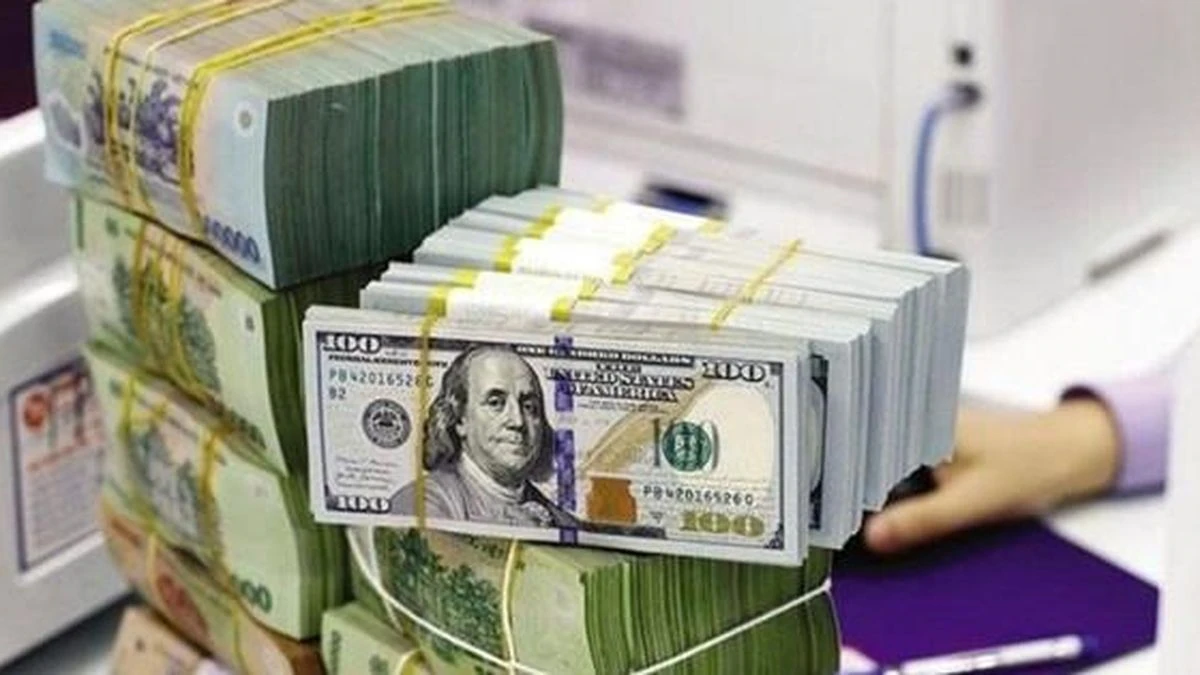
Vietnam has adjusted the 2026 ceiling for medium- and long-term foreign commercial borrowing by enterprises and credit institutions on a self-borrowing, self-repayment basis without a government guarantee. The maximum is $10 billion a year under Decision 2184/QĐ-TTg, signed and effective on November 11.
The Government Electronic Newspaper said the decision amends clause 3, article 1 of the February 27 Decision 352/QĐ-TTg on the 2026 borrowing and public-debt repayment plan. The $10 billion is a planning ceiling, not the amount already borrowed or disbursed.
Two different measures
The earlier plan put the annual medium- and long-term limit at approximately $6,124 million, or $6.124 billion. The new maximum is about $3.876 billion higher than that earlier reference.
For short-term foreign debt, the amended plan sets a maximum growth rate in the outstanding balance of 27% against the balance at the end of 2025. The previous figure was approximately 19–20% against the same year-end reference.
The measures have different bases. One is an annual limit for medium- and long-term borrowing. The other limits the growth of the short-term outstanding balance. The 27% is not an interest rate and does not itself reveal the absolute amount of debt.
The February plan
The original plan aimed to mobilise finance at reasonable cost, repay public debt on time and maintain debt safety. It also assigned the State Bank of Vietnam a role in monitoring the unguaranteed self-borrowing limit.
The February plan separately set out government borrowing and repayment figures. Those are different categories and should not be added to or treated as the unguaranteed commercial-borrowing ceiling amended on November 11.
Actual borrowing and outstanding balances require subsequent implementation data. A higher limit alone does not demonstrate that loans have been taken out.