
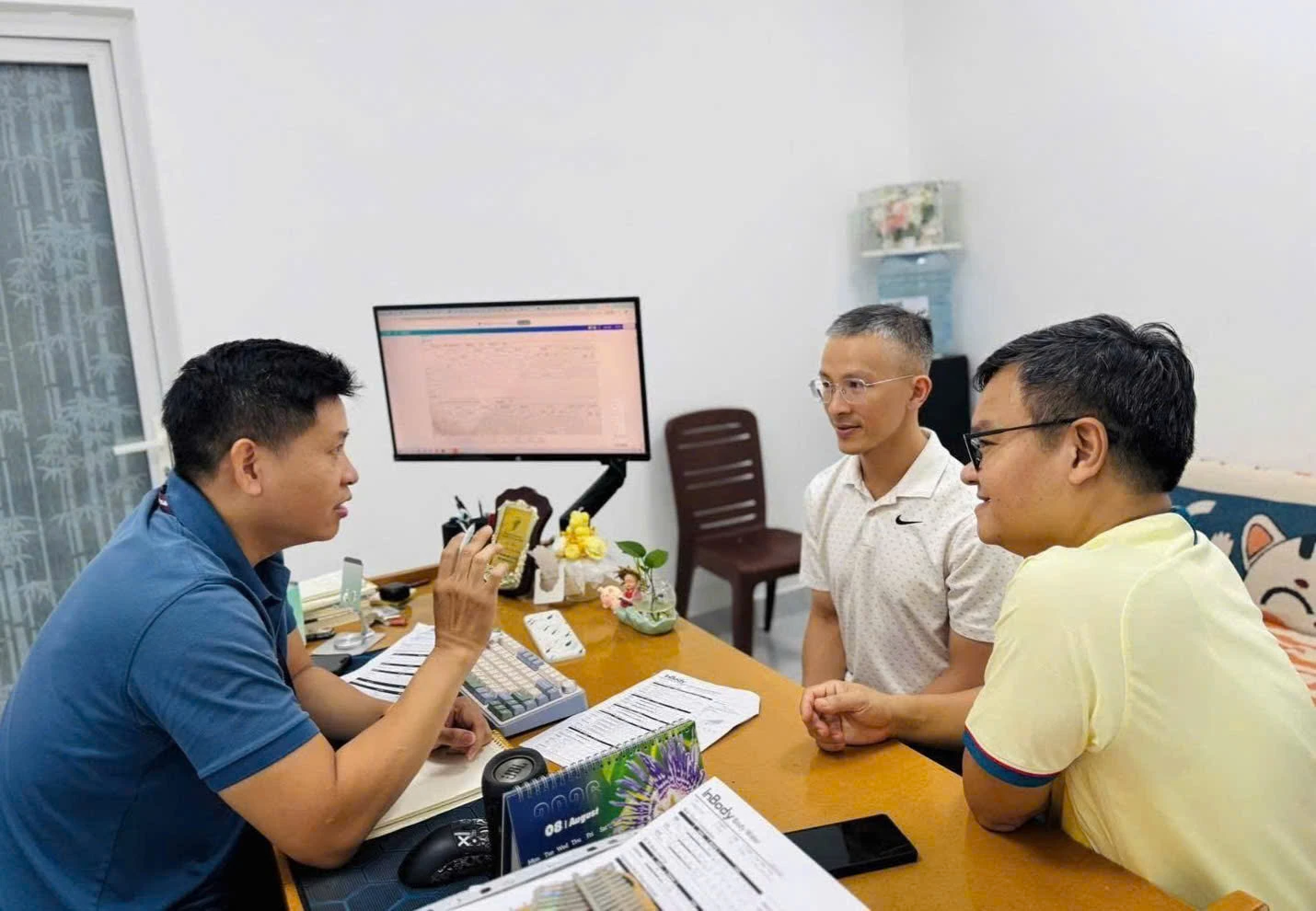
A sports-science and medical team of about 16–17 people is preparing to support more than 30 disciplines in Ho Chi Minh City’s National Games delegation. Tuổi Trẻ reported that department head Phạm Thanh Nghị sees hosting locally as an opportunity to deploy equipment and recovery support more readily.
Two functions within a limited workforce
The staffing comprises roughly 10–11 sports-science specialists and 5–6 medical and related personnel. These are approximate ranges in the interview, rather than an exact roster to combine into a fixed total.
Science staff measure fitness and analyse movement information to assist coaches. Medical personnel handle health support, on-site injuries and anti-doping-related duties. The team’s average age is around 30–32, with its youngest member aged 23.
Transporting bulky equipment between distant venues had complicated previous away assignments. The home setting allows greater use of the city’s existing equipment and preparation of mobile recovery stations.
Technology as support for professional decisions
A related report from Vietnam’s sports authority describes motion-analysis cameras, heart-rate equipment and biomechanical information as inputs to individual training programmes. It also mentions links with about six hospitals and four science and technology organisations.
These resources explain the support model; they do not by themselves establish reduced injury rates or guaranteed medal results. Their role is to assist staff and coaches as they assess and adjust practical work.
The next operational task is completing venue assignments and arranging recovery services where they are needed. With more than 30 disciplines drawing on the same workforce, that allocation is central to how the host delegation functions during the Games.