
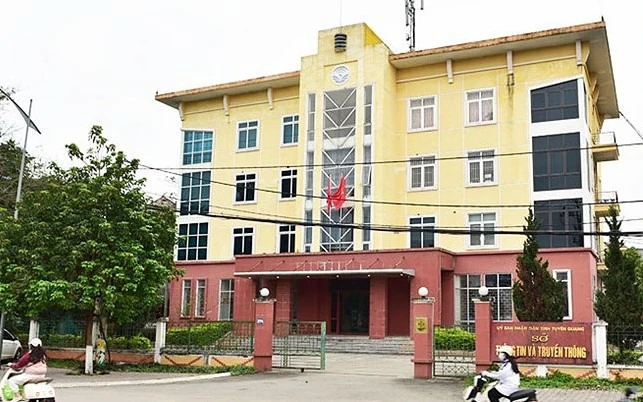
Central ministries, agencies and local governments in Vietnam had finished dealing with more than 21,000 surplus state-owned house and land facilities as of 26 October 2026, according to figures the Ministry of Finance released on 27 October. The central bloc has completed 4,320 facilities, or 84.5%, and localities 16,807, or 63.6%. Taken together, the two blocks still have 10,403 facilities to go: 795 at central level and 9,608 in the provinces and cities.
Central bodies: 84.5% done
The figures come from the ministry's tracking software, which ministries, agencies and localities update themselves. Central ministries and agencies had 5,115 surplus facilities to process. Nine of them have no surplus property at all, while 22 units still have some to deal with, and 15 of those are behind the overall pace.
| Ministry or agency | Completed / total (facilities) | Rate |
|---|---|---|
| Ministry of Justice | 399/407 | 98% |
| Vietnam Social Security | 317/324 | 97.8% |
| Ministry of Industry and Trade | 506/520 | 97.3% |
| Supreme People's Procuracy | 379/422 | 89.8% |
| Ministry of Science and Technology | 24/28 | 85.7% |
| All central bodies | 4,320/5,115 | 84.5% |
Localities: 9,608 facilities left
Localities had 26,415 surplus facilities to process. By 26 October 2026 they had completed 16,807, leaving 9,608 outstanding, and the ministry counts 17 localities as behind the overall pace.
| Locality | Completion rate |
|---|---|
| Tuyên Quang | 98.1% (1,581 of 1,611 facilities) |
| Bắc Ninh | 97.1% |
| Lạng Sơn | 96.5% |
| Thái Nguyên | 92.4% |
| Hải Phòng | 89.1% |
| Khánh Hòa | 85.7% |
| Lai Châu | 85.7% |
| Quảng Ninh | 84.9% |
| An Giang | 83.3% |
| Nghệ An | 80% |
| All localities | 63.6% |
The ministry names ten localities that still have large numbers of unfinished facilities: Gia Lai, Đà Nẵng, Phú Thọ, Thanh Hóa, Quảng Trị, Ninh Bình, Hưng Yên, Quảng Ngãi, Vĩnh Long and Cần Thơ; the ministry's release does not give the number of unfinished facilities for each of them.
Why there is surplus property
The surplus stems from the reorganisation of the state apparatus and of administrative units. Dealing with it is meant to reallocate facilities, make better use of public assets and stop buildings and land from standing empty, falling into disrepair or being used for the wrong purpose. For residents of the ten lagging localities, it means many surplus public offices and sites near them have yet to be resolved.
What comes next
The Ministry of Finance has already told central bodies and localities to urgently complete their plans for handling surplus property in 2026, sorting each asset into one of these routes:
- continued use;
- a change of function;
- recovery, transfer or handover;
- disposal under the regulations.
It has also called for tighter inspection and supervision of how public assets are managed and used, and for complete, accurate progress updates in the tracking software. The bulk of the remaining work lies with the localities, which still have 9,608 facilities to finish.