
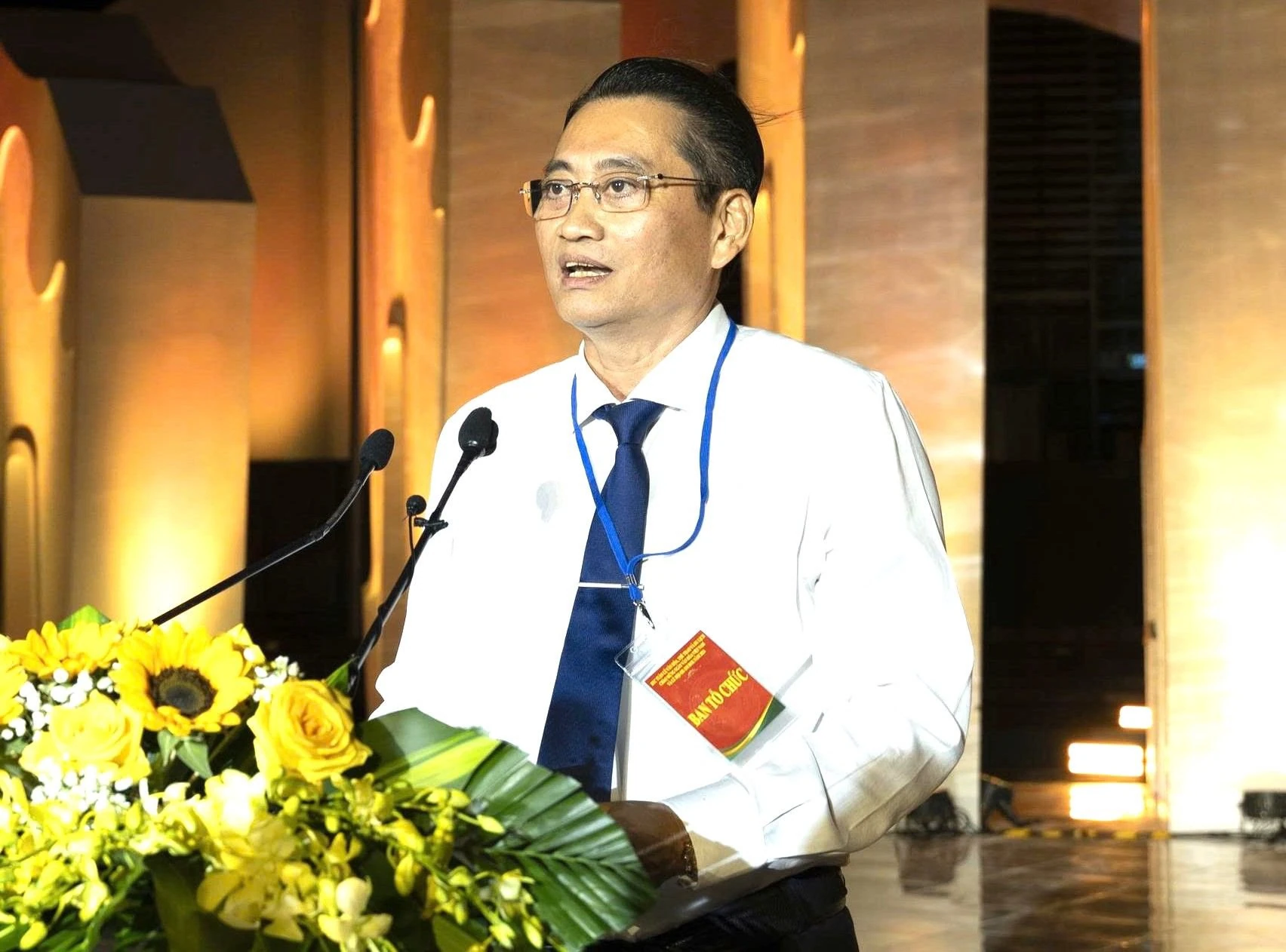
Vĩnh Long province inaugurated a cultural and tourism memorial to the late playwright and People’s Artist Viễn Châu in Đôn Châu commune on the evening of 21 November. The site is in his home area, which was formerly part of Trà Vinh province.
Báo Văn Hóa reported a total investment of 70 billion đồng, including 60 billion from non-state contributions and 10 billion from the provincial budget. The facilities include a festival courtyard, performance hall, exhibition space and an area introducing đờn ca tài tử and cải lương, as well as landscaping and visitor-service facilities.
The ceremony marks the project’s inauguration. The report does not give regular opening hours or ticket prices, and the province has asked officials to develop recurring activities after the ceremony.
From land allocation to inauguration
In 2024, the former Trà Vinh province agreed to allocate about 11,300 square metres in the artist’s home area and mobilise funding for the project. The 21 November 2026 ceremony was the inauguration, a later milestone than the land allocation and fundraising.
Provincial vice chairman Nguyễn Quỳnh Thiện asked the culture department to continue collecting documents, photographs and objects about Viễn Châu’s life and career. The province also called for cooperation with artists and artisans on performances, exchanges and education. Those are tasks for the next stage, not a confirmed calendar of events.
A legacy in southern theatre
Born Huỳnh Trí Bá in 1924, Viễn Châu died in 2016. Báo Văn Hóa says he studied music and vọng cổ singing early, worked professionally in theatre for nearly seven decades and helped develop tân cổ giao duyên, which combines modern song and vọng cổ.
The report credits him with more than 2,000 vọng cổ songs and over 50 cải lương plays, including “Tình anh bán chiếu” and “Võ Đông Sơ – Bạch Thu Hà”. He received the People’s Artist title in 2012.
KBVN+ has also covered performer Thanh Ngọc’s experience of sustaining a cải lương career. In another province, Lâm Đồng Museum has recognised donors and introduced Chăm heritage.