
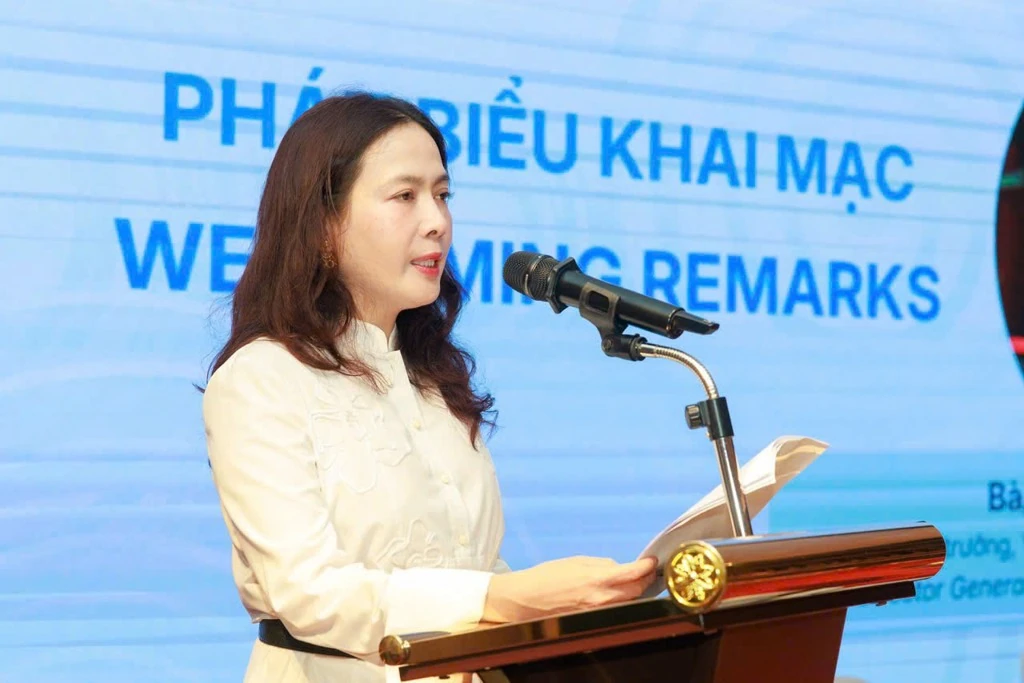
Vietnam’s Finance Ministry and Germany’s development agency GIZ closed the Vietnam component of the Go Circular project at an event in Hanoi on 6 November. The ministry said four years of work supported more than 160 businesses, identified over 150 circular-economy solutions and catalogued more than 100 financing sources.
Training and materials pilots
The project was funded by Germany’s Federal Ministry for Economic Cooperation and Development and implemented by GIZ with Vietnamese partners. It focused on resource-intensive sectors including textiles, packaging, plastics and electronics. Activities included training in circular business models, textile-waste recycling pilots and help accessing green finance.
Nearly 100 companies joined 10 courses using the CIRCO approach to product design, materials and business models, according to the ministry. About two-thirds of participants assessed that they could apply what they learned to their operations.
The ministry highlighted a modular shoe design developed by Biti’s to improve durability and recyclability. It said a collection programme at 10 stores had recovered more than 90 tonnes of used footwear and clothing for appropriate handling.
In textiles, Tân Nam Trung, Bảo Minh, Garco 10 and CoupleTx worked together to test shirt fabric containing more than 30% recycled material. The result was presented as a pilot, not confirmation of large-scale commercial production.
Financing and the challenge of scaling
The ministry said the project also provided technical input for a proposed circular-economy experimental mechanism and research into project criteria. The catalogue of more than 100 financing sources records sources identified; it does not mean that every project received funding.
Vietnam component head Mira Nagy said high conversion costs make it difficult, especially for small manufacturers, to take pilots into commercial use. Officials and businesses discussed collection, sorting, traceability, recycling procedures and how to sustain project tools over the next 12–24 months.
The ministry said it would continue work with other agencies on policy incentives. GIZ said it planned further cooperation on textile recycling, sustainable production and efficient energy use.