
The US Federal Reserve left its benchmark interest rate unchanged in a 3.75-4% range on 28 October US time, early on 29 October in Vietnam, at the end of a two-day policy meeting, according to VnExpress, which drew on Reuters. The decision was in line with market expectations and followed the September increase, the first Fed rate rise since July 2023.
The pause does not mean the tightening cycle is over. In its assessment of the US economy, the Fed acknowledged that inflation was still accelerating, yet it upgraded its description of the economy from solid to strong compared with the September meeting. It also signalled that further increases could be needed, depending on how inflation develops. Investment was described as buoyant and job creation as keeping pace with the labour force.
Why the Fed held off
The Federal Open Market Committee, the Fed body that sets interest rates, said it needed more information before deciding on the right policy stance to bring inflation back to its 2% target in a timely way, and that it remained committed to price stability.
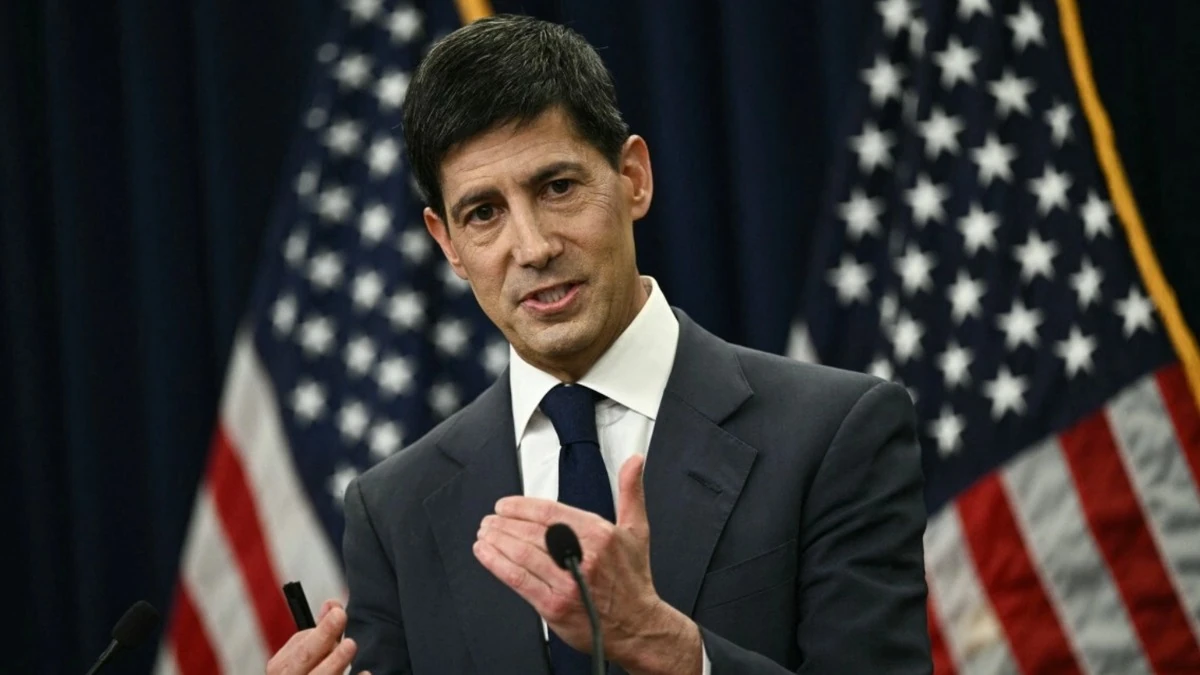
At the press conference that followed, Fed Chair Kevin Warsh said reading the economy was becoming harder. He described the labour market as relatively strong but noted that inflation had been above target for nearly six years and that the task of the Fed was to bring it down. Asked why the committee had not raised rates again, he said bringing inflation down was not tied to any specific date, nor did it depend on a single data point.
Warsh added that inflation expectations had moved in a positive direction since the September hike, and that he was reassured by those signals.
The vote was not unanimous. Governor Lisa Cook and Cleveland Fed President Beth Hammack dissented, both preferring an additional increase of 25 basis points (0.25%).
Timeline of the Fed's moves
KBVN+ compiled the table below from the VnExpress report:
| Date | Development |
|---|---|
| July 2023 | Last rate increase before the 2026 hike |
| September 2026 | First rate rise since July 2023 |
| 28 October 2026 | Rate held at 3.75-4%, with two dissents |
| November 2026 | US midterm elections, with inflation and living costs at the centre |
| December 2026 | Meeting at which investors expect hikes to resume |
| 2027 | One meeting devoted to monetary policy strategy, with no rate vote |
| 2028 | Rate-setting meetings reduced to six |
Mixed market reaction
US markets moved in different directions after the announcement. The Nasdaq Composite slipped 0.13%, while the S&P 500 and the Dow Jones Industrial Average edged up. The dollar index barely moved, and spot gold lost more than 20 USD to 4,035 USD an ounce.
Before the meeting, markets had expected the Fed to avoid another quick hike after September, even though inflation was higher than forecast, concerns about price pressures spreading across the economy were growing and fuel prices remained elevated. Officials are also worried that US businesses and households have grown used to rapidly rising prices.
What comes next
Investors now expect the Fed to resume raising rates from its December meeting and through 2027. Inflation and the cost of living are also at the heart of the US midterm elections in November, which will decide whether the Republican Party of President Donald Trump keeps control of both the Senate and the House of Representatives.
On the meeting calendar, Warsh said eight meetings a year was the right number for the FOMC. However, one meeting in 2027 will focus solely on overall monetary policy strategy without a rate vote, and from 2028 the number of rate-setting meetings will fall to six.