
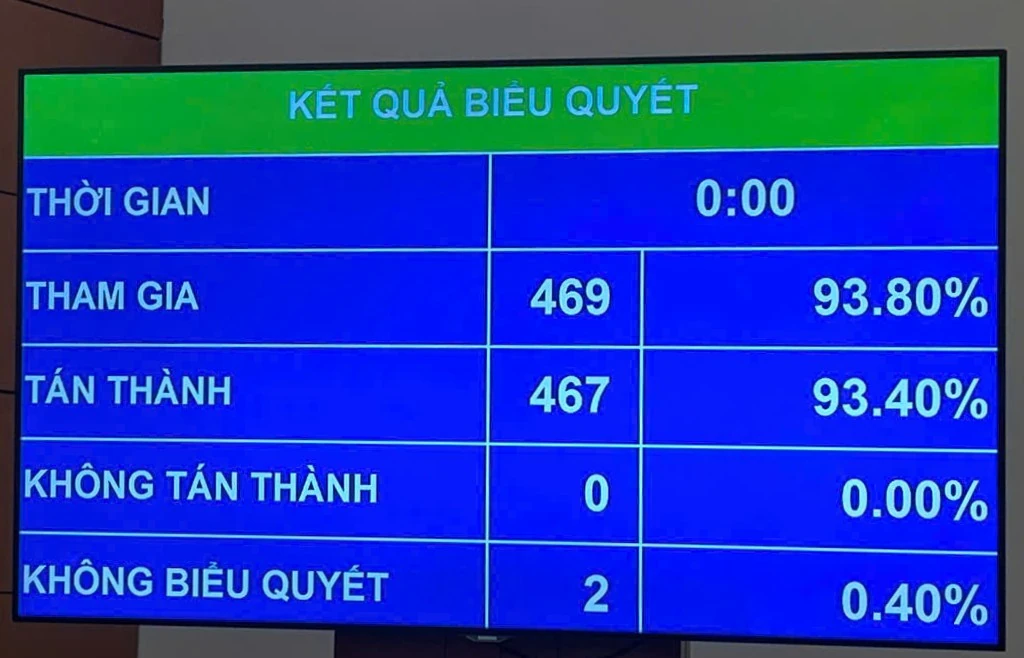
Vietnam’s National Assembly adopted its socioeconomic development plan for 2027 on 7 November, with 467 of the 469 participating deputies voting in favour, according to the Government News. The resolution sets an ambition for GDP growth of at least 10% while maintaining macroeconomic stability and controlling inflation.
Growth and stability together
The resolution calls for the national goal to be translated into scenarios, targets and tasks for individual sectors and localities, with regular updates as conditions change. VnExpress also reported targets of about $6,100 in GDP per capita and inflation of around 4.5% for 2027.
These figures are objectives for the coming year, not economic results already achieved. The government report says the plan measures progress through productivity, tangible efficiency and living standards, while linking economic development with social, cultural and environmental priorities.
On macroeconomic management, the assembly calls for closer coordination between fiscal, monetary and other policies. It also seeks lower lending rates and credit for production and priority areas, alongside controls on lending to sectors considered risky.
Funding and implementation
The resolution lists measures to raise and use resources, including higher budget revenue, savings in recurrent spending, bond issuance, official development assistance and credit. It also calls for private investment, reinvestment by foreign-invested businesses and development of medium- and long-term capital markets.
For public investment, it seeks simpler procedures and faster disbursement tied to project effectiveness, with funds moved from poorly performing recipients to those using them more effectively. It also calls for stronger domestic demand and diversified export and import markets, reducing reliance on a small number of trading partners.
Other priorities include resolving long-delayed projects, developing strategic infrastructure, protecting social welfare and improving workforce skills. The adopted plan sets a direction for implementation; its growth and investment objectives remain future targets.