
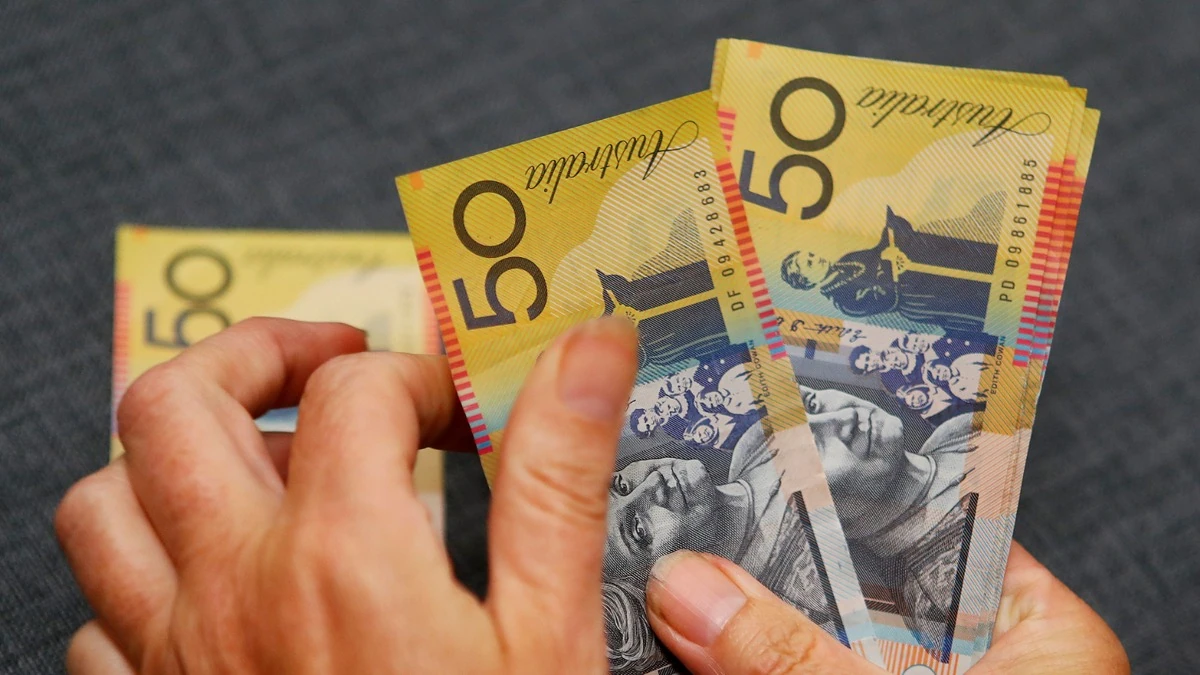
Australia’s central bank raised its benchmark interest rate by 25 basis points to 4.85% on November 3, the highest level since November 2008. VnExpress, reporting from CNBC, described it as the fifth increase of the year as inflation remained above the Reserve Bank of Australia’s target.
Inflation shapes the decision
September consumer-price inflation reached 4.3%, compared with 4% in August and the highest reading in half a year. The RBA forecast further acceleration the following year and a difficult return to its 2–3% target before late 2027.
Those forward figures are forecasts, distinct from the reported September reading. The rate decision concerns Australia’s benchmark, rather than Vietnamese lending or deposit rates.
Governor Michelle Bullock attributed price pressures partly to oil costs associated with the Middle East conflict and technology-related costs linked to AI investment, according to the account. She left open additional increases if necessary, without committing to a new schedule.
Slower growth complicates the outlook
Australia’s second-quarter GDP grew 2.1% from a year earlier, down from the preceding 2.5% pace reported in the article. High borrowing and living costs were also weighing on households and economic activity.
Bullock said the RBA did not consider recession a high-probability scenario at that assessment. That remains an assessment rather than a guarantee. The next policy direction depends on subsequent inflation and activity evidence; the report supplies no date or size for another increase. Its implications concern the Australian policy outlook, rather than a recommendation for a particular financial product.