
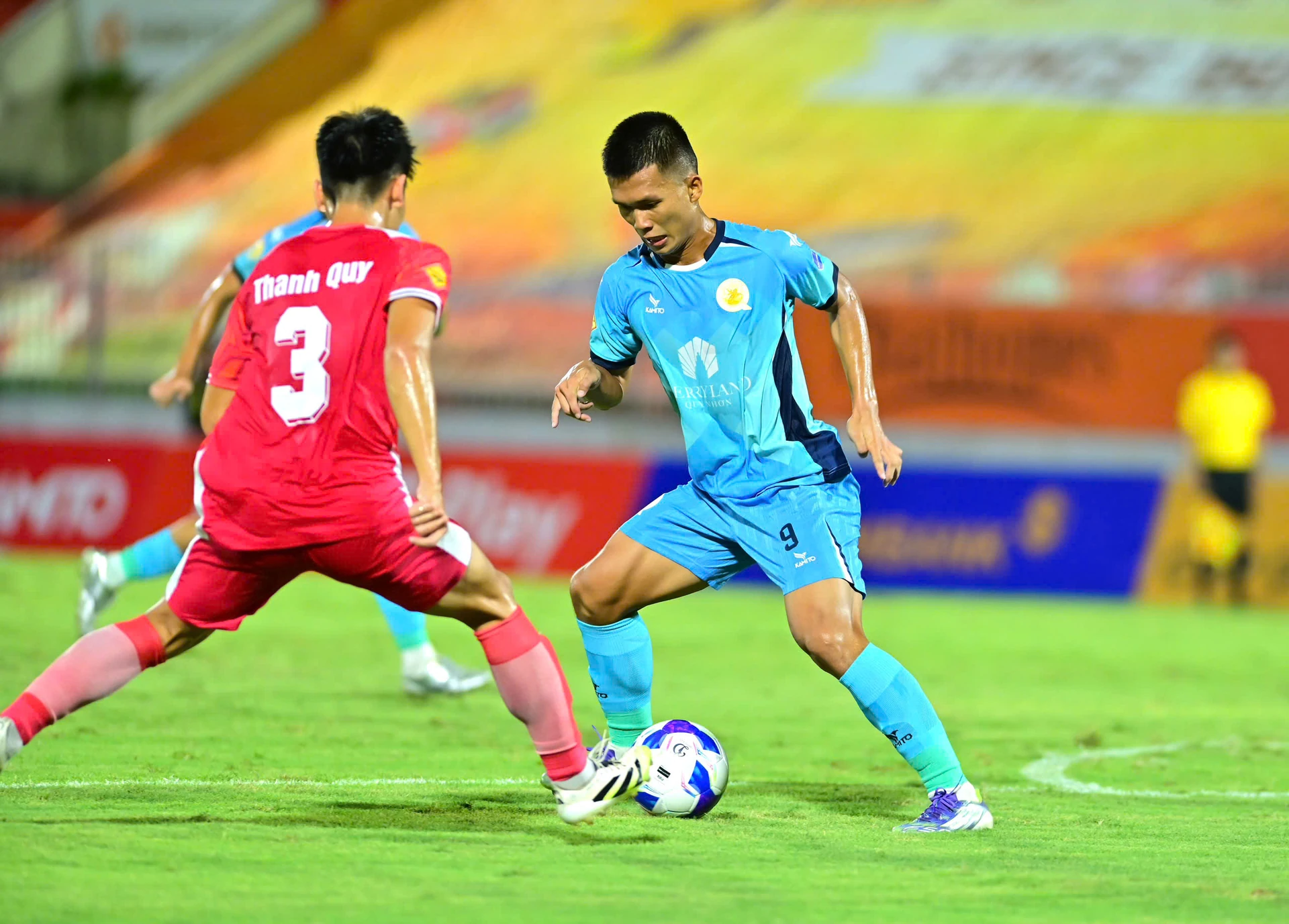
Under VPF’s 2026/27 National Cup regulations, the qualifying round, round of 16 and quarter-finals are single matches: a draw after 90 minutes goes straight to a penalty shoot-out. The semi-finals and final each have a home and an away leg. The team with the higher aggregate after 90 minutes of the second leg advances or wins the cup. If the aggregate is level, the teams go straight to a shoot-out, with no extra time or away-goals tiebreaker.
Rounds and how ties are decided
| Round | Matches per tie | How the winner is decided |
|---|---|---|
| Qualifying round | One match | Win after 90 minutes. Shoot-out if level |
| Round of 16 | One match | Win after 90 minutes. Shoot-out if level |
| Quarter-finals | One match | Win after 90 minutes. Shoot-out if level |
| Semi-finals | Two legs, home and away | Higher aggregate. Shoot-out if level after the second leg |
| Final | Two legs, home and away | Higher aggregate. Shoot-out if level after the second leg |
These are the season-specific provisions in section 25 of the VPF regulations issued on 26 August 2026. The two semi-final winners contest the final. Its winner takes the cup, while both losing semi-finalists share third place. Other seasons may use different rules, so check the regulations for the competition and season concerned.
A single-match score versus an aggregate
In a one-match round, the score in that match determines whether a shoot-out is necessary. A team ahead at the end of normal time advances. If the score is level, the shoot-out decides the winner. The shoot-out score is recorded separately from the match score.
From the semi-finals onward, each tie has a first and second leg. Add each team’s goals across the two games to calculate the aggregate. A first-leg lead alone does not settle the tie. Once the second leg has finished, the team with more goals across both games wins even if it lost the second match. If the aggregate is equal after 90 minutes of the return leg, the regulations send the teams directly to penalties. Away goals are not used to separate the teams before the shoot-out.
Two hypothetical examples
Example 1 – a one-match quarter-final: A and B draw 1–1 after 90 minutes. There is no return leg or extra time. They take penalties. If A wins the shoot-out 5–4, A reaches the semi-finals. The match score is 1–1 and the shoot-out score is 5–4. This is an illustration, not an actual result.
Example 2 – a two-leg semi-final: At A’s ground the first leg finishes A 1–1 B. At B’s ground the second finishes B 0–0 A. The aggregate is 1–1. Although B scored once away and A scored no away goals, the teams go straight to a shoot-out after 90 minutes of the second leg. The shoot-out winner reaches the final. Both match scores are hypothetical.
Is extra time played?
Section 25 provides for a direct shoot-out when a single match is level after 90 minutes or the aggregate is level after 90 minutes of the second leg. Neither situation adds two periods of extra time. Our guides explain the difference between a penalty kick and a shoot-out and between added time and extra time. Added time is time the referee adds within a half. It does not turn the 90-minute rule into an extra-time period.
Where to check match dates
The regulations explain how a winner is decided. The latest official VPF fixture list and notices determine the date, kick-off and venue of a particular match. The regulations permit organisers to change fixtures, and a newly issued schedule replaces the previous one. A proposed change does not itself become an official fixture. See the 2026/27 National Cup round-of-16 fixtures and qualifying results. Follow Vietnam football news for more on the clubs and competition.