
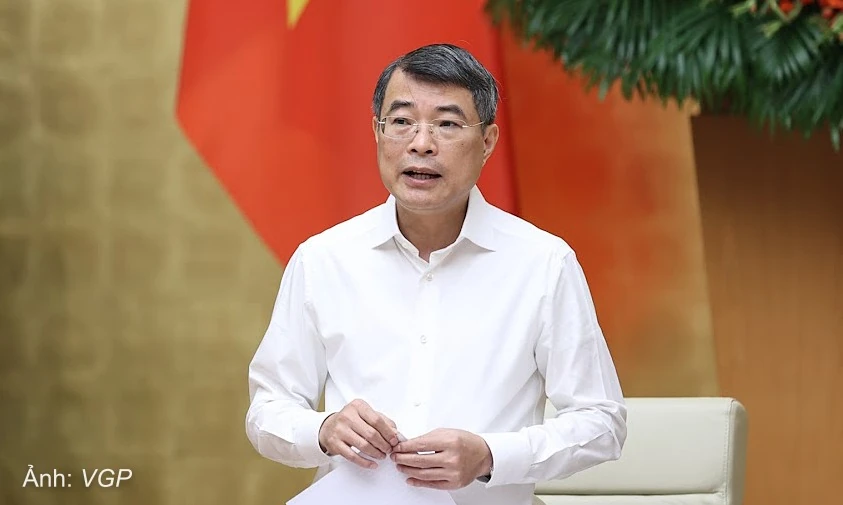
Prime Minister Le Minh Hung has made inflation control the highest priority for the final two months of 2026 while retaining the government's double-digit growth objective. VnExpress reported the instructions from the November 4 cabinet meeting, where he argued that stable prices are necessary for growth to benefit households and businesses.
Budget measures support price stability
Hung said the reduction in electricity prices followed a careful assessment of EVN's finances. Lower fuel taxes affect government revenue, but he said the budget should share the burden of stabilising the economy.
Average electricity prices fell 2% on November 1, when petrol excise tax also moved to 0%. Ten-month average CPI increased 4.57%, compared with the full-year objective of around 4.5%.
VietnamPlus also reported instructions for the price management steering committee to work with localities experiencing above-average inflation. The Finance Ministry is to update inflation scenarios and consider assigning local CPI-control targets from 2027.
Supplies, lending costs and investment
The Industry and Trade Ministry must balance essential supplies, particularly electricity and fuel. It is expected to submit a fuel-business decree in November, with attention to reducing intermediary stages and distribution costs.
The central bank was asked to coordinate interest-rate and exchange-rate management. Banks are to reduce operating costs to support lower lending rates for production and business.
For public investment, the government wants funds shifted from slow projects to those better able to disburse them. Ministries will also continue work on the 2027 economic plan and budget, alongside year-end measures covering essential goods, consumption and tourism.