
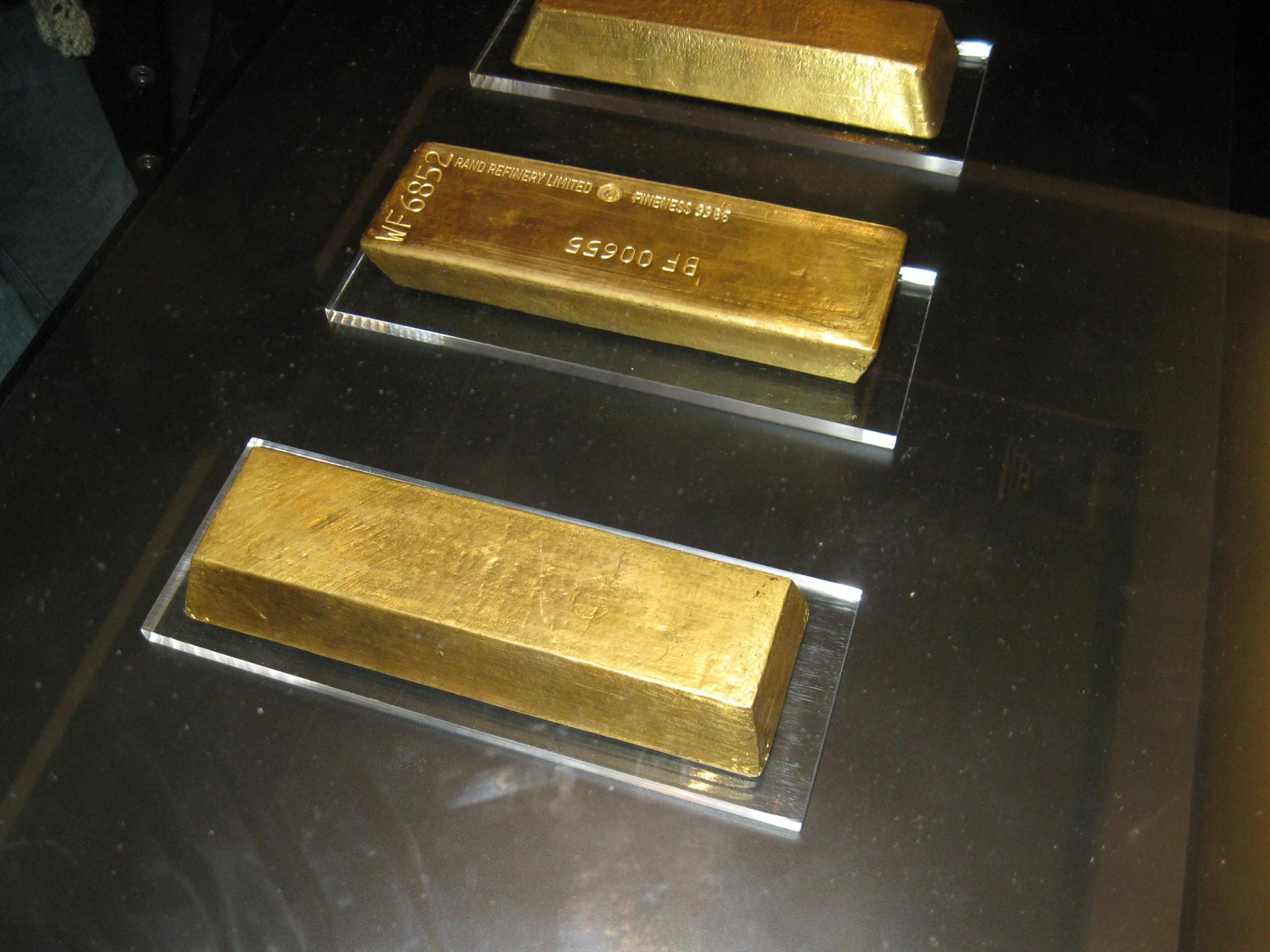

The digital-gold market is worth an estimated USD 45–55 billion, equivalent to about 370 tonnes of gold, according to World Gold Council estimates based on investor surveys. The council says its size has increased approximately 2.5–3 times since early 2025.
Product structures are different
Digital-gold units can represent fractions of physical metal held by a third-party provider or mint. They differ from gold exchange-traded products, where investors hold shares or fund certificates. Digital gold, ETFs and stablecoins should therefore not be treated as interchangeable categories.
The WGC identifies more than 70 products worldwide. Its market estimate represents about 8% of gold held by global gold ETFs. Banking, payment and social applications distribute products in markets including China, India and Indonesia.
A BCG report cited in the article put first-quarter 2026 spot trading in tokenised gold above USD 90 billion, exceeding the 2025 total. Trading turnover measures a different activity from the value of gold held in the market.
Infrastructure shapes the outlook
On October 19, the WGC outlined a base-case scenario of around 27% annual growth, potentially reaching up to USD 170 billion by 2031. Chief executive David Tait said demand could not scale without suitable infrastructure.
The report also cited Tether's disclosure of USD 19.8 billion in gold reserves at the end of March and a USD 3.3 billion value for Tether Gold. Those measures have different scopes. Industry growth scenarios do not guarantee investor returns, which remain exposed to gold prices and individual product arrangements.