
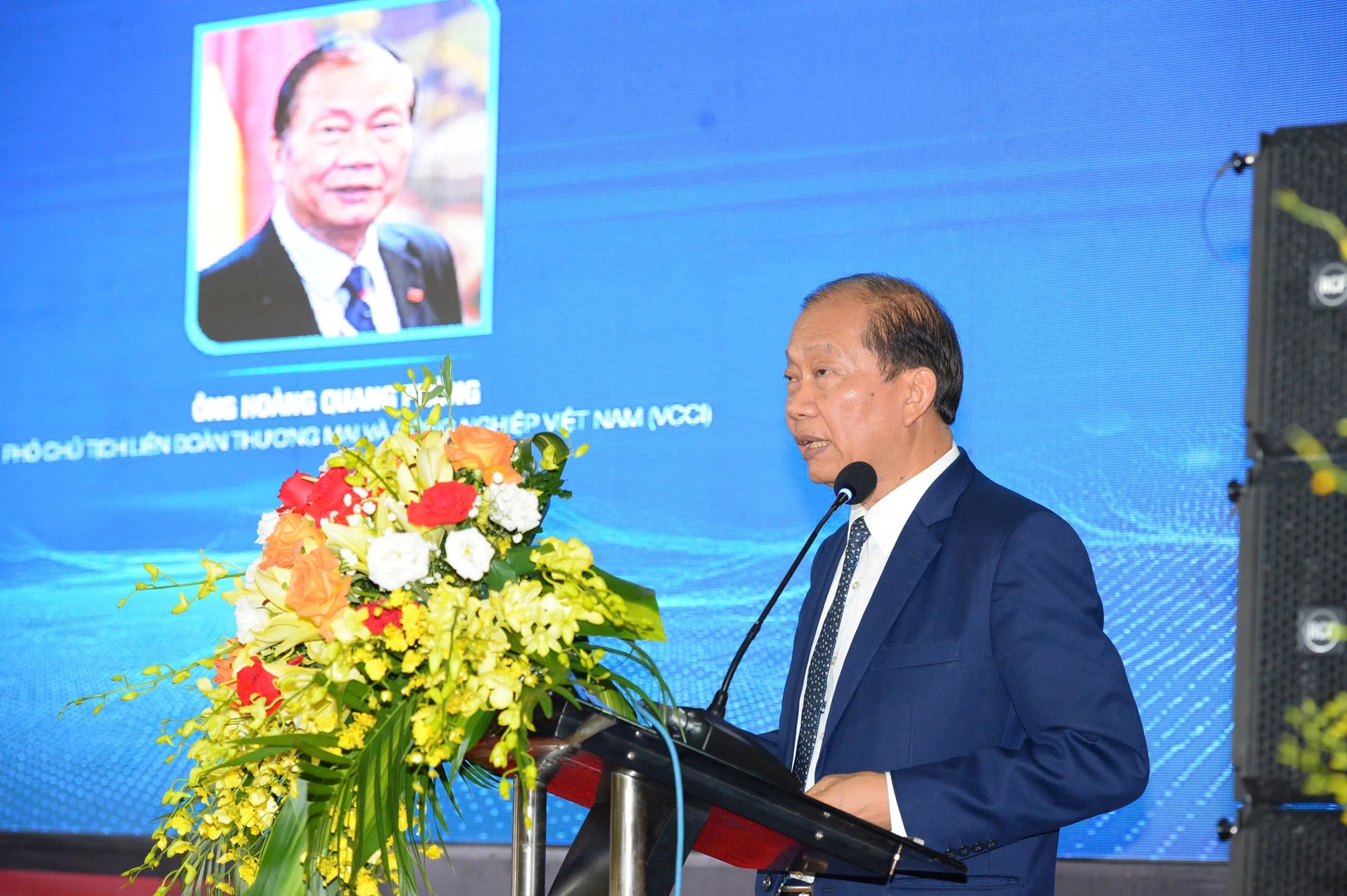
Bac Ninh is prioritising energy, logistics and technical skills as it seeks a larger role in high-tech supply chains. Government News reported the plans from the Bac Ninh Industry 2026 forum on November 4, held alongside the Vietnam Industry and Manufacturing Exhibition.
Building domestic technological capability
Vietnam Chamber of Commerce and Industry vice-chair Hoang Quang Phong said manufacturing shifts and demand for AI-related electronics were creating opportunities. He called for stronger domestic industrial companies and a better-trained workforce.
The combination of foreign-invested semiconductor infrastructure, local software capabilities and factory automation could help Vietnam enter higher-value activities, he said. Increased localisation and technological capacity would create opportunities in design, research and product development.
Citing FPT figures, Phong said overseas IT-service revenue had exceeded $1 billion, with AI and cloud computing growing by more than 30% annually.
Local investment and infrastructure priorities
Bac Ninh official Pham Van Thinh reported nine-month GRDP growth of 11.81%, ranking fourth nationwide. He estimated investment in new technologies, including AI and semiconductors, at more than $4 billion.
The locality plans to reach nearly 4,000 MW of solar capacity and 1,000 MW of centralised energy storage by 2028. Logistics priorities include inland ports and waterway transport around the Duong River and Que Vo, together with international freight connections in the Bac Giang area.
Technical training, particularly for semiconductors, is another focus. Thinh identified transport bottlenecks and called for faster expressway development and construction of Gia Binh international airport. Local officials will continue receiving business proposals as they address investment and operating constraints.