
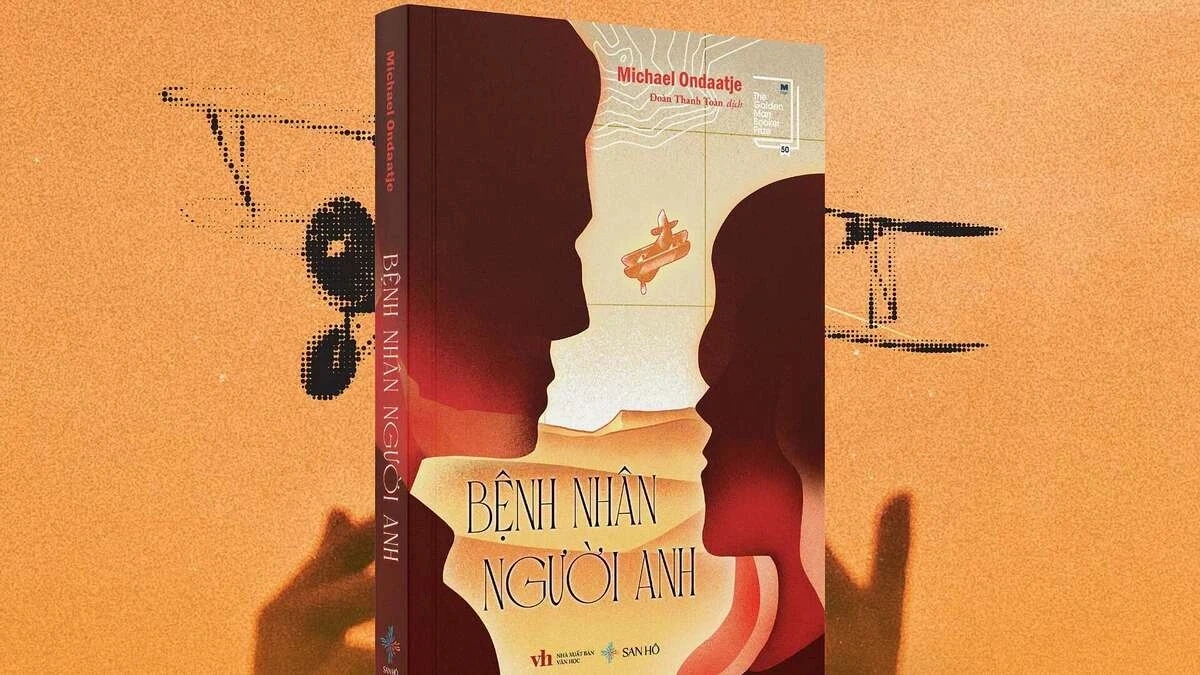
The story brings four people scarred by war together in an Italian villa near the end of World War II. Their memories extend the setting to North Africa, linking romance with questions of identity, homeland and remembrance.
The article highlights the nonlinear narrative, in which information emerges through layers of recollection that readers must connect. Its imagery is presented as part of the appeal, while also making the reading experience different from a straightforward chronological story.
Anthony Minghella's 1996 film adaptation places greater emphasis on the central romance and won nine Academy Awards. Comparing the versions, the article argues that the novel devotes more space to interactions among the four characters and to the lasting consequences of war.