
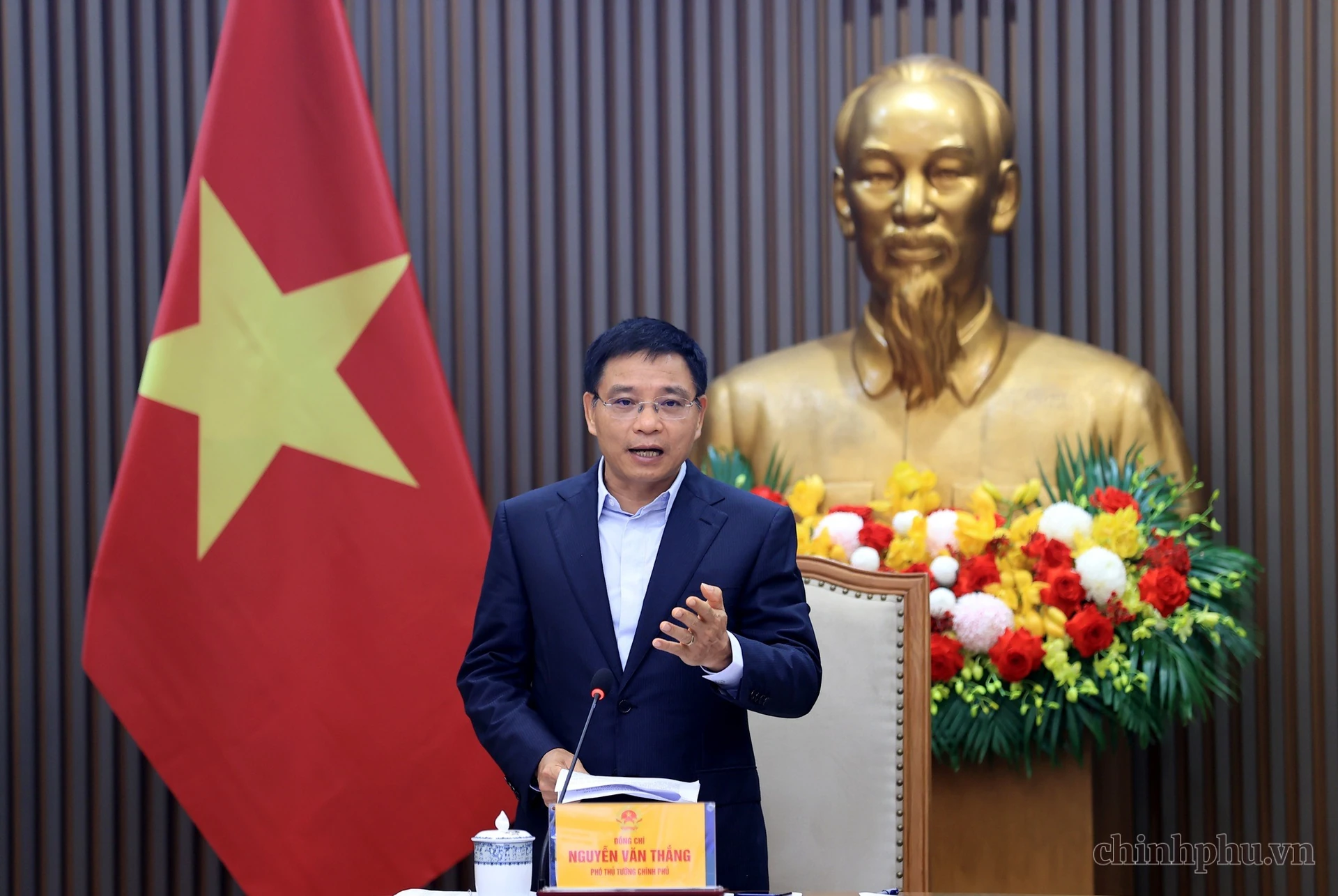
Deputy Prime Minister Nguyễn Văn Thắng called for prices of state-managed goods and services to remain stable through the end of 2026 at a price steering committee meeting on November 9. Government News said the Hanoi meeting was connected online to all 34 provinces and cities.
The Finance Ministry reported that the consumer price index rose 0.2% in October from September. Average CPI in the first ten months was 4.57% higher than a year earlier, while core inflation rose 4.24%. Its updated scenario puts average CPI growth for the full year at 4.5–4.7%, a forecast rather than a completed result.
Inflation and supply
The ministry said prices rose in the first five months, fell in June and July, and increased again from August through October. It identified consumer demand and the prices of energy, food and construction materials as sources of pressure during the remaining two months.
The meeting heard that the average retail electricity price had fallen 2% from November 1 and that a zero special consumption tax rate on gasoline applied through March 31, 2027. Agencies were asked to monitor how those measures are reflected in selling prices. An average electricity price change does not establish the change in every household bill.
Local authorities were asked to prepare supplies of essential goods and inspect price declarations and posted prices, including in transport, food services and accommodation.
Tasks for ministries
The industry ministry was tasked with monitoring energy prices and supplies. The construction ministry was asked to check transport charges and seek appropriate reductions when fuel costs fall. That instruction does not establish that every fare has already fallen.
The Finance Ministry will continue updating price scenarios. Localities with CPI growth above the national average were asked to examine the causes and the groups of goods and services contributing to the increase.