
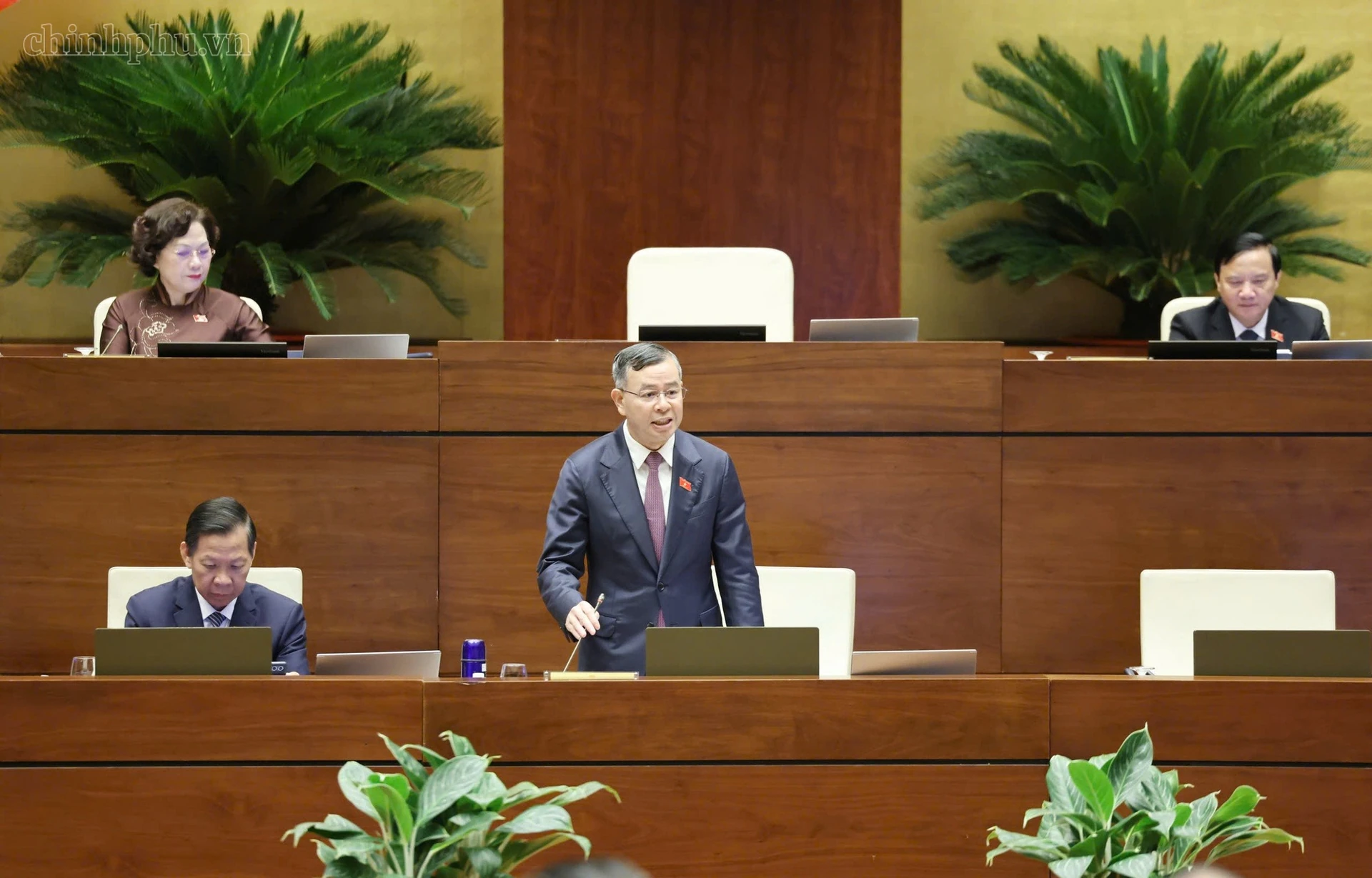
Vietnamese lawmakers have discussed giving project owners greater procurement authority while setting safeguards against abuse under a draft revision of the procurement law. Finance Minister Ngô Văn Tuấn said the drafting body would consider comments on criteria and oversight to support transparent contractor selection, the Government Electronic Newspaper reported.
Proposals against collusion and fraud
Nguyễn Trung Kiên, a delegate from Đồng Nai, proposed clarifying prohibited conduct and adding mechanisms to prevent, detect and handle violations. He cited risks including bid-rigging, falsified experience or quality documents and fraud in electronic procurement.
His proposal would clarify the responsibilities of leaders, project owners and tender organisers from the preparation stage. He also called for procedures to receive and verify signs of violations and protect people who report them under the law.
Kiên suggested using big data and artificial intelligence to analyse bids and identify unusual prices, contract awards or ownership links between bidders. These are proposals made in debate, not requirements already enacted by the draft.
Accountability for decisions
Phú Thọ delegate Nguyễn Văn Mạnh supported reducing intermediate steps and shortening project preparation. He warned, however, that expanding non-competitive selection without independent review and appropriate limits could enable group interests or the splitting of contracts.
Mạnh proposed retaining open bidding as the primary method, tightening rules on direct appointment and linking decision-making powers to individual legal responsibility. Minister Tuấn said the draft expands selection methods, including competitive negotiation and direct appointment.
The minister said the draft also adds assessment based on technical criteria, or a combination of technical criteria and price, and envisages connected data to provide reference prices. He said his ministry would work with the health ministry on medical equipment procurement provisions. The measures remain part of the legislative discussion and drafting process.