
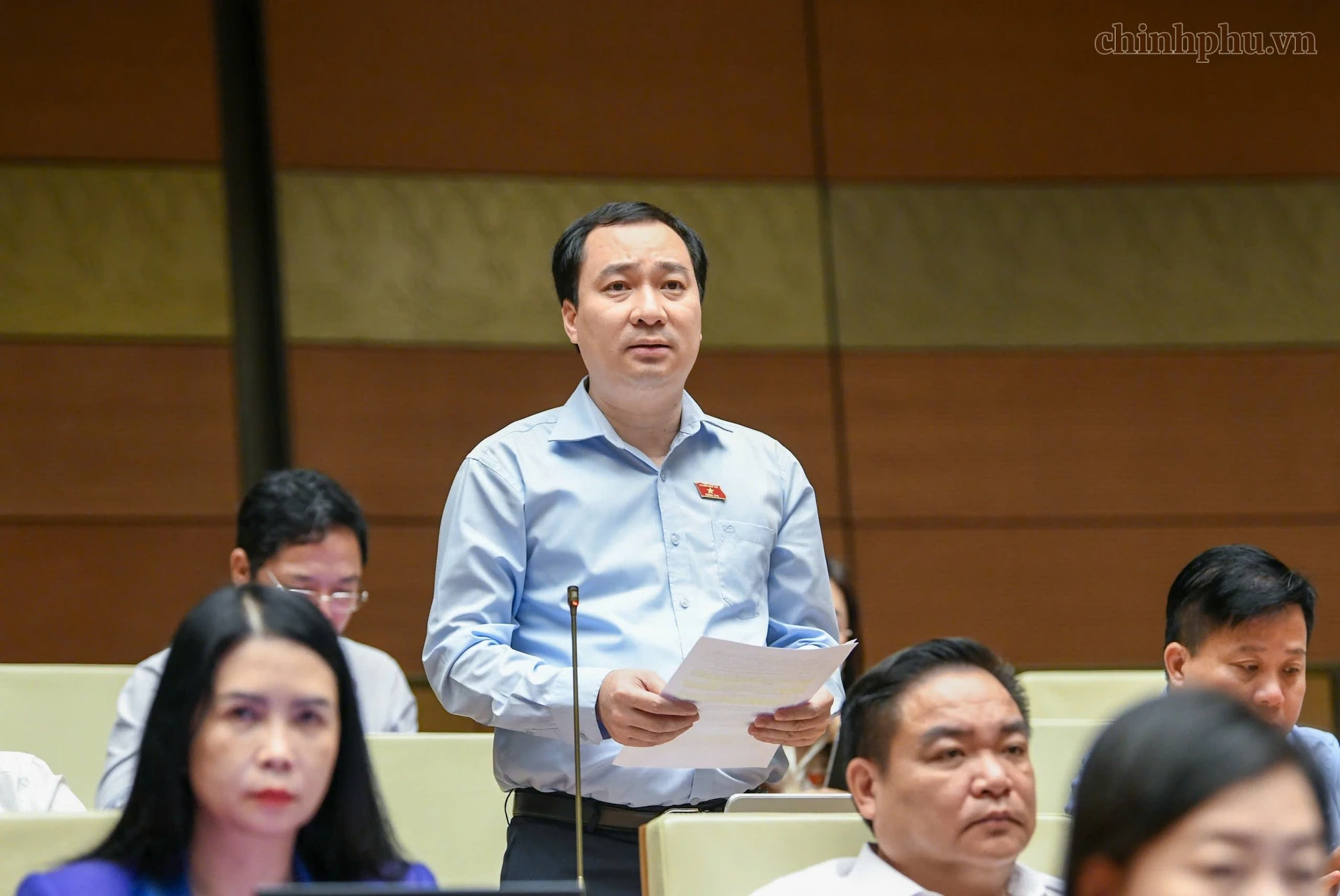
Vietnamese lawmakers called for clearer compensation safeguards and emergency decision-making rules during discussion of the draft law on compulsory asset purchase and requisition. The Government News reported proposals intended to preserve rapid emergency response while protecting asset owners and related parties.
Essential services and independent valuation
Hải Phòng deputy Vũ Văn Tiến argued that the draft should explain how disruption to essential services would be limited. Citing schools and dormitories used during the pandemic, he proposed considering alternatives and restoring normal services after requisition.
He also sought independent revaluation where owners disagree, clearer calculations for lost income and restoration costs, and records of asset condition at handover and return. These are proposals in legislative debate, not confirmation of new rules already in force or an outcome for an individual compensation case.
Emergency authority and secured interests
Điện Biên deputy Lò Thị Luyến supported devolving powers to commune-level chairpersons but wanted clearer conditions for urgent decisions and subsequent provincial reporting without delaying rescue work.
She noted that the draft reduced one requisition period from 30 days to no more than 20, while allowing extensions of up to 15 days without limiting their number. Those figures describe draft provisions, not current personalised legal guidance.
Tuyên Quang deputy Vương Thị Hương requested notification safeguards for secured parties when mortgaged or pledged assets are compulsorily purchased, alongside clarity on replacement funds. The next legislative task is to address those drafting questions, including asset return and payments to people operating requisitioned property.