
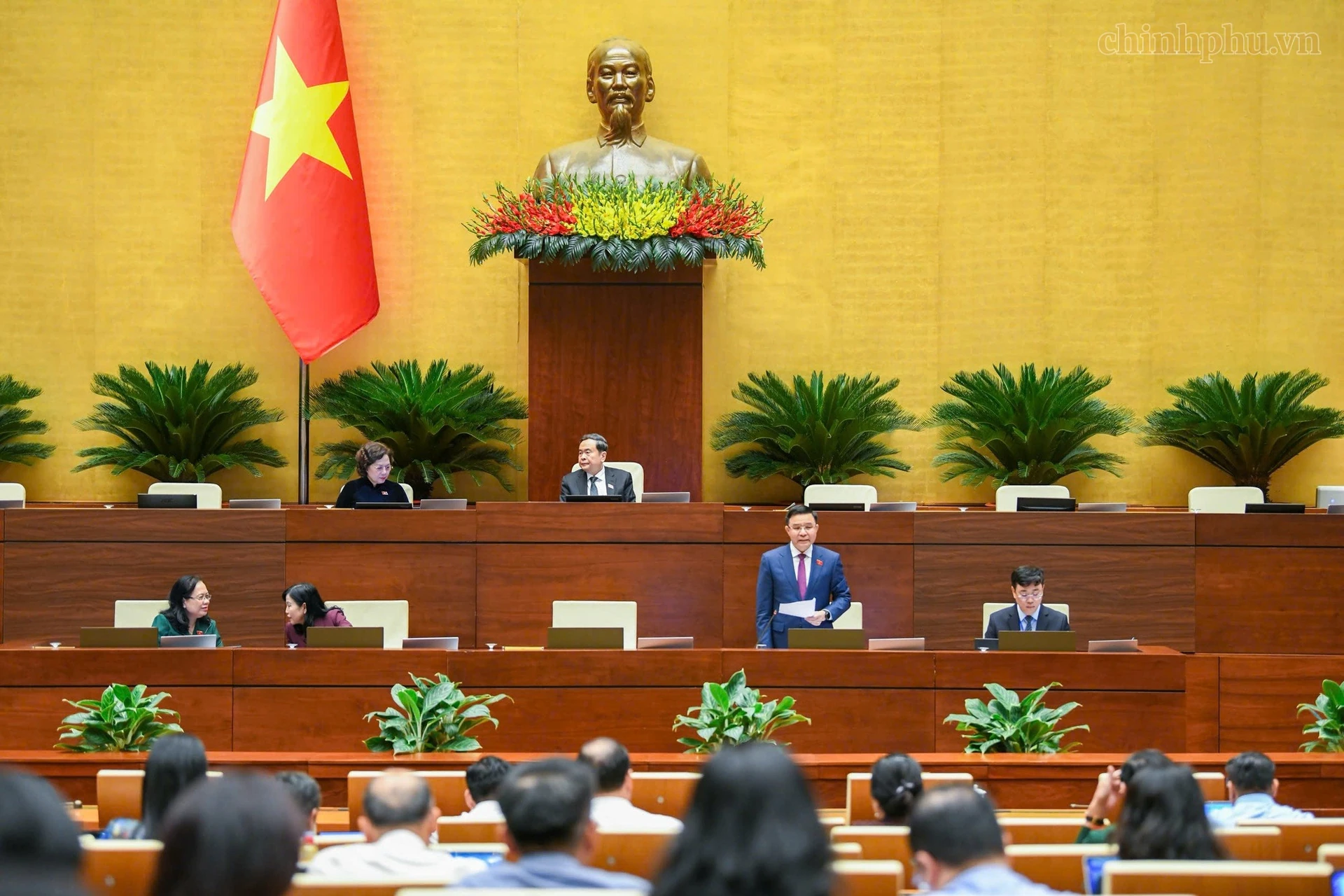
Vietnam’s electricity-law amendment draft aims to coordinate generation, grids and demand while addressing investment and operating obstacles. The Government News reported Industry and Trade Minister Lê Mạnh Hùng’s explanations during the November 3 parliamentary debate, with revisions still continuing.
Investment mechanisms and plant readiness
The draft addresses large loads, baseload and flexible supply, reserves and supply-demand balancing. The ministry is also updating Power Development Plan VIII against actual conditions and amended legislation.
For major projects, including LNG generation, the minister emphasised sharing investment risks rather than transferring all exposure to the state and ultimately consumers.
A proposed capacity-price component would reflect plant readiness. Power-purchase negotiations would be based on project bidding results and the relevant price framework. These are draft mechanisms, not an announcement of a uniform new tariff.
Prices and renewables need coordinated implementation
The minister said renewable growth must accompany smart-grid upgrades, given intermittency and balancing requirements. Offshore-wind provisions require further refinement and a clear distinction from nearshore projects.
The draft envisages market-based electricity pricing with state regulation, reflecting market development and energy security. Separately, the minister cited existing support for vulnerable groups equivalent to 30 kWh per household per month at the first residential tier.
The government will continue working with parliamentary bodies before the bill is submitted for a decision. Removing cross-subsidies requires further assessment across groups and regions. The next step is legislative refinement, not an established tariff increase date or confirmation that every proposed mechanism already applies.