
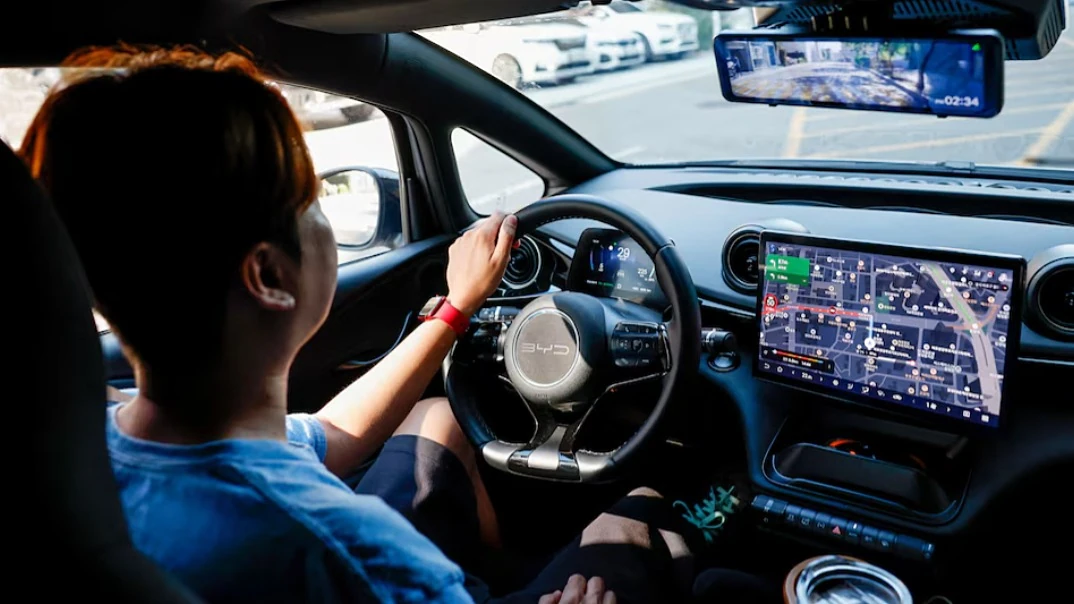
Chinese carmakers are expanding in South Korea and Japan with markedly different results, according to VnExpress’s account of Reuters reporting. BYD sold more than 20,000 vehicles in South Korea during the first nine months of the year, compared with fewer than 4,000 in Japan.
Adoption and availability
Industry data cited in the report put electric vehicles at around 25% of new car sales in South Korea, against roughly 3% in Japan. Analyst Lee Jae-il of Eugene Investment & Securities said BYD benefited from demand for affordable electric models while Korean manufacturers focused more heavily on higher priced offerings.
One buyer described choosing a roughly $18,500 Dolphin after being told her desired Hyundai Casper EV involved a wait exceeding two years. That example illustrates an individual purchase decision, rather than a general delivery timetable for Hyundai products.
Other Chinese brands are developing their presence. Zeekr began taking Korean orders for its 7X SUV in June and plans up to 14 showrooms. Chery is targeting entry in 2027, while Xpeng has been recruiting for retail network development.
Japan’s more difficult route
Foreign brands account for around 6% of Japanese passenger car sales, and hybrids remain popular. BYD began selling there in 2023, has more than 75 dealers and aims for 100. Its nine month sales represented about 0.1% of the market.
The report describes differing consumer views on Chinese brands and attributes comments about diplomatic tensions to BYD’s local spokesperson. Next, dealer expansion and new product plans will test whether broader availability converts interest into purchases. Chery backed EMT plans a small Japanese market model in the first half of 2027.