
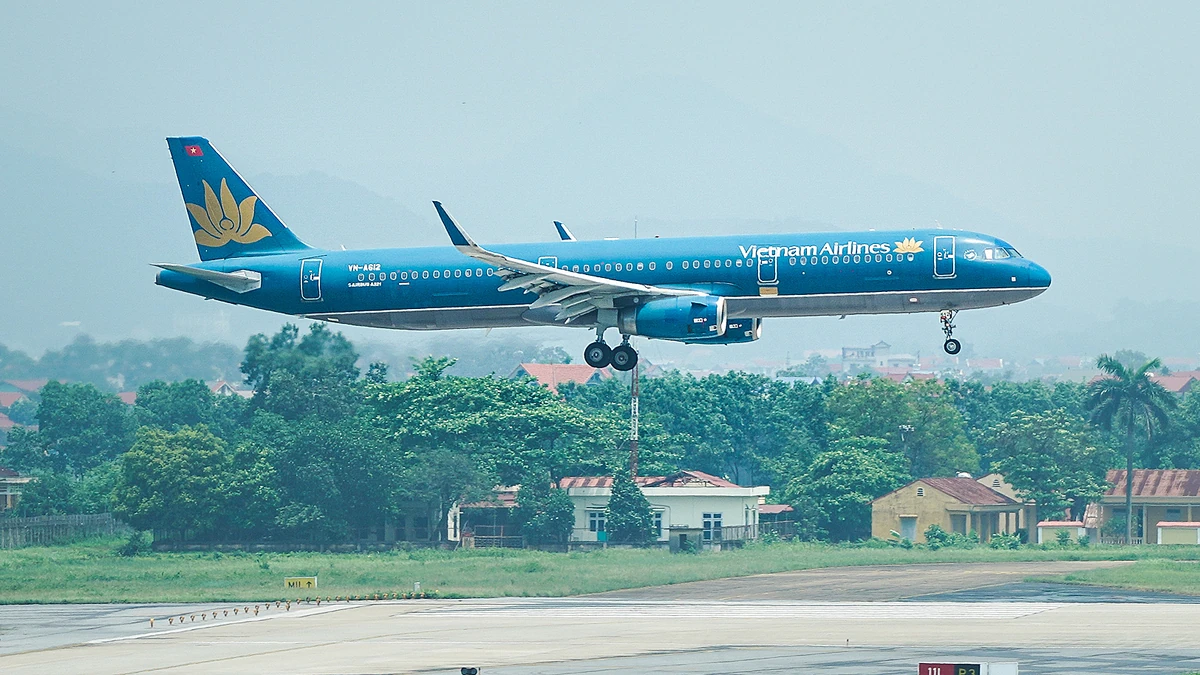
Vietnam could need about 1,000 additional aircraft over the next 20 years, Airbus International president Wouter van Wersch told reporters on November 3, according to VnExpress. The manufacturer projects average annual passenger growth of 7.7%. The aircraft figure describes anticipated demand rather than a signed purchase commitment.
Reading the fleet figures
Airbus says domestic airlines operate about 230 of its aircraft and have ordered more than 220 others. Its reported market shares are 90% in narrowbody aircraft and 50% in widebodies. These are company figures.
A separate count cited by VnExpress recorded 258 Vietnamese-registered aircraft across 13 businesses in September 2026. Commercial airlines operated 231 of them; the rest included helicopters, seaplanes and general aviation aircraft. Registration totals and the Airbus operational fleet have different scopes and should not be added together.
The report identifies the A320 family as central to major airlines' narrowbody operations. Vietnam Airlines operates 14 A350s, while Vietjet uses A330s. Individual purchasing plans sit within a much broader long-term market forecast.
Capacity beyond aircraft purchases
Van Wersch also connected traffic growth with airport infrastructure and operating capacity. Airbus says Vietnamese businesses have supplied A321neo emergency-exit components to factories in Germany since 2024, extending the relationship into manufacturing.
The company previously worked with Vietnam's science academy on VNREDSat-1, launched in 2013. The newer VNREDSat-2 cooperation concerns development and technology transfer, rather than a completed launch.
University partnerships in digital aviation, internships, site visits and specialist instruction are among the next steps Airbus outlined. Turning projected demand into usable airline capacity will also require the airports, personnel and operations to support a larger fleet.