
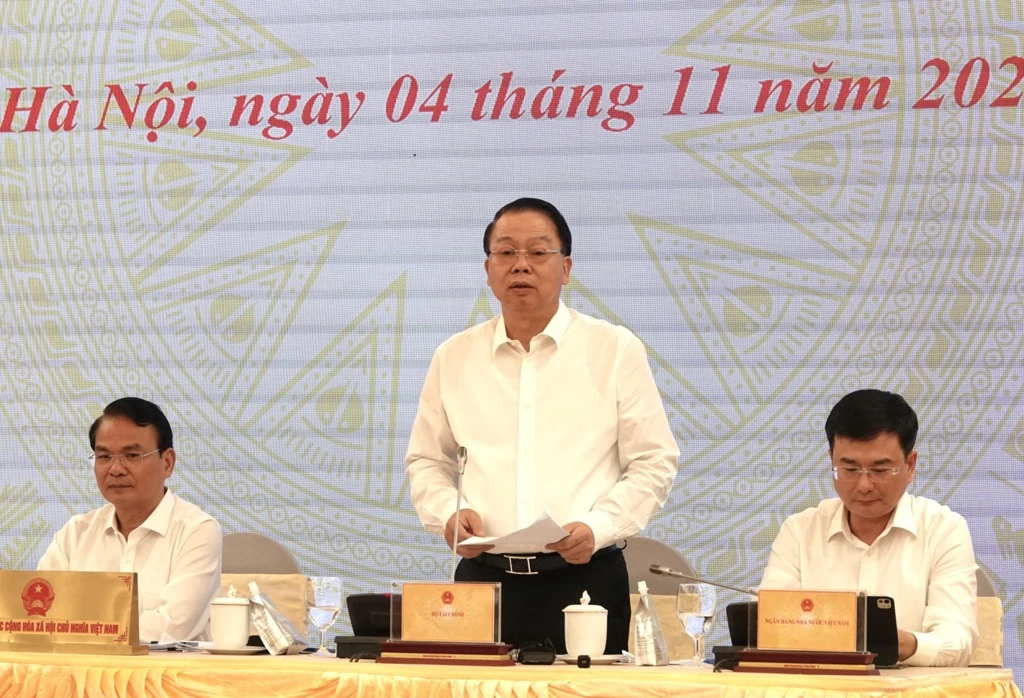
Vietnam's Finance Ministry is maintaining its objective of average inflation of around 4.5% in 2026, despite a ten-month reading of 4.57%. Deputy Minister Nguyen Duc Chi outlined the government's response at a November 4 press conference, according to the ministry's account.
Energy measures and their estimated contribution
A 2% reduction in the average retail electricity price took effect on November 1. Petrol excise tax also fell to 0%, with that measure running through March 31, 2027.
The ministry estimates that the combined changes would lower the November CPI reading relative to October by about 0.5 percentage points, and the annual average by roughly 0.08 percentage points. Household electricity carries a 4.81% weight in the CPI basket, while petrol and oil account for 4.53%.
The Government News website also reported Chi's explanation that energy costs affect businesses through production, transport and distribution as well as households through their spending.
Supply and price management through year-end
Officials have identified five areas of work: tracking essential prices, securing supplies, coordinating macroeconomic policies, handling state-administered price adjustments carefully and strengthening market inspections.
Supply preparations cover fuel, food, medicines and medical materials, including stocks for year-end demand and Tet. Authorities are also expected to connect local supply networks and prevent shortages in individual areas.
For administered prices, agencies must assess the timing and scale of changes alongside their effects on consumers and businesses. Inspections will target price declarations, hoarding and speculation. Localities with high inflation are to examine individual product groups, while the ministry updates its scenarios as market conditions evolve.