
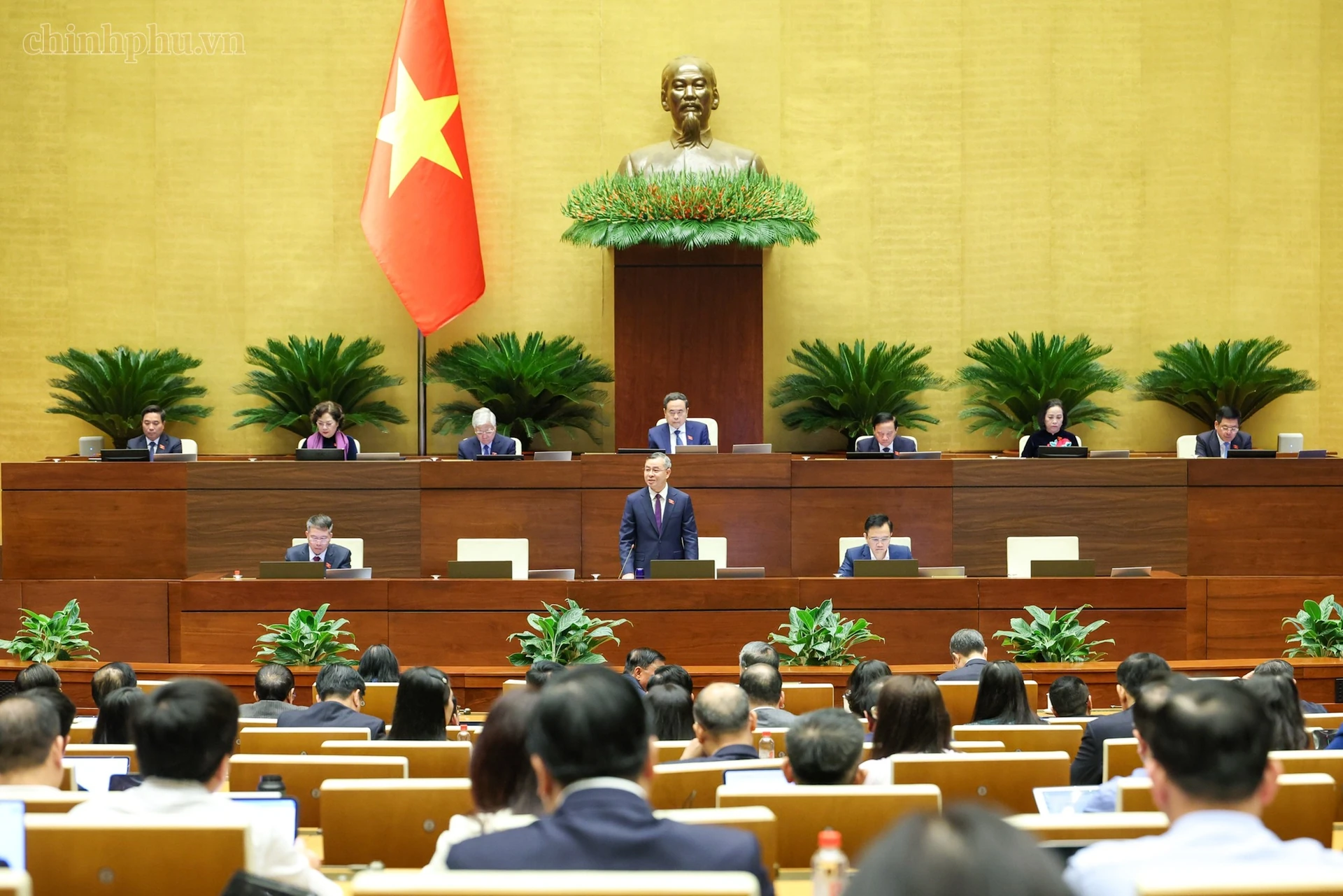
Project implementation, especially preparation, remains a weak point in public investment disbursement, Finance Minister Ngô Văn Tuấn told National Assembly deputies on 12 November.
The Government News account records the minister describing five stages: selecting and proposing funding, deciding investment policy, approving and allocating capital, implementing the project, and settling accounts before the work enters use.
From funding plans to projects
The minister said ministries and local authorities were asked from July 2025 to update lists of projects planned for the 2026–2030 period. The Finance Ministry consolidated their proposals for the government to present to the National Assembly as part of the budget process.
Once the budget is approved, the government allocates funds to ministries and localities. Those bodies then assign funding to individual projects under the applicable conditions. The minister identified preparation and implementation as areas requiring improvement so that allocated capital can reach projects.
A consolidated national programme
Responding to a separate question, he said 2026 was the first year of a consolidated national target programme. The central budget provided VND35 trillion, including approximately VND10 trillion in recurrent expenditure and VND25 trillion for investment.
He said the National Assembly approved the programme in September 2026, after which the government issued a decree and organised implementation training. He expressed confidence that careful preparation could improve progress in 2027 while retaining the programme’s objectives and beneficiaries’ rights.
The comments describe the funding and administrative process. They do not establish that every public investment project has been completed.