
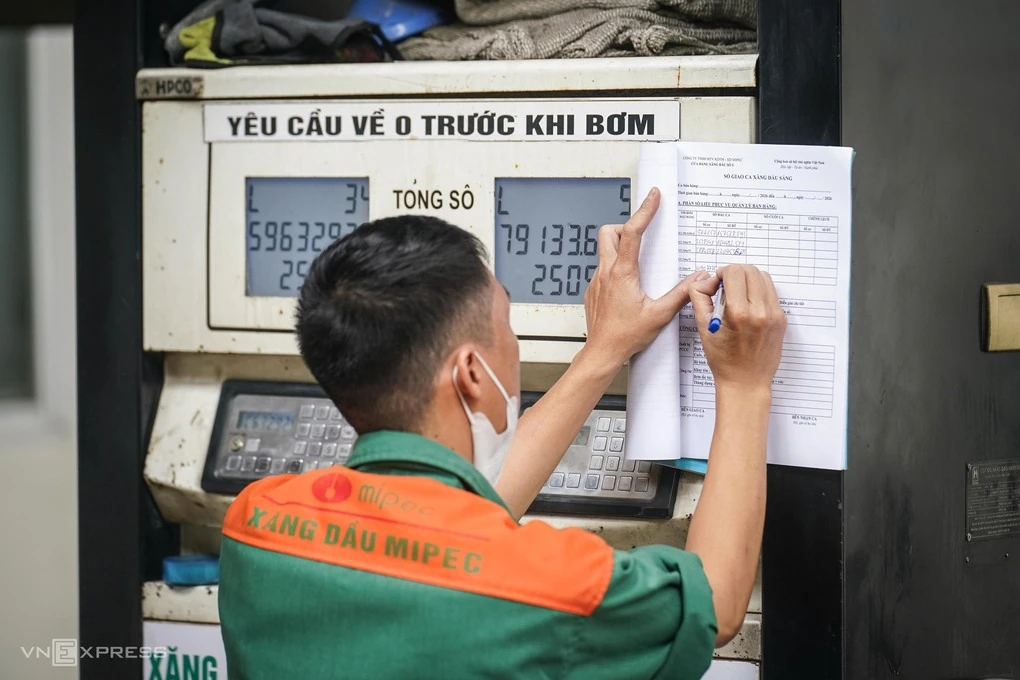
Price-setting would carry disclosure duties
The proposal would replace regular state announcements of a base price with business price-setting, declarations and connected data for regulatory monitoring. Notices would specify the effective hour and minute to prevent early increases or delayed reductions.
Businesses would not be allowed to use adjustments as a reason to stop or unlawfully restrict sales. Records of announcements, updates and related transactions would have to be retained without alteration or deletion. Distributors could set their own prices within the supplier's announced ceiling; a supplier's increase would not require an identical increase downstream.
Operating conditions also under discussion
The draft proposes a maximum 2% differential for areas distant from ports and principal storage facilities. It also provides for temporary state intervention through ceilings, price bands or specified prices when abnormal market conditions require stabilisation.
Another proposed change would require principal suppliers to own at least 40 retail outlets. Existing businesses would face a transition of at least ten outlets in 2028 and 40 from early 2029. All these figures describe the consultation proposal. The final obligations and commencement arrangements depend on the completed legal instrument; the report does not establish a business-specific compliance ruling.