
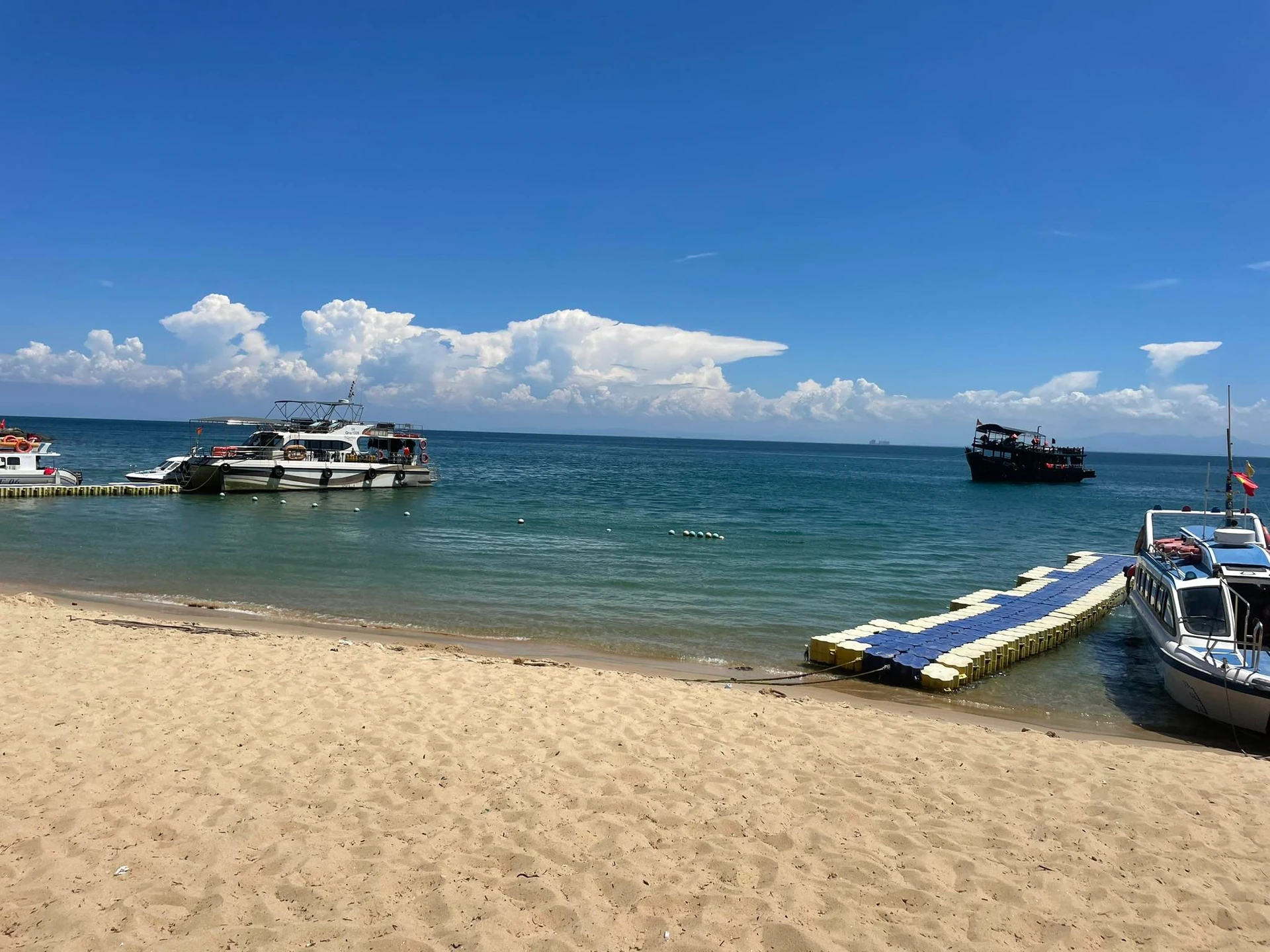

Researchers are examining Hội An's maritime and island heritage beyond its old streets, linking the Thu Bồn River, Đại Chiêm estuary, fishing villages and Cù Lao Chàm. An October 22 symposium is planned by Đà Nẵng's culture department and Huế University's University of Sciences to discuss 555 years of xứ Quảng and Hội An's trading-port history.
Heritage extends beyond the old town
Experts cited in the report describe fishing, net making, boatbuilding, edible-bird-nest harvesting, whale worship and coastal festivals as parts of the same cultural system. Researcher Trần Văn An said residents still maintained nearly 46 marine and island-resource occupations.
Cù Lao Chàm also contains archaeological sites, religious architecture, historic water systems and Hán-Nôm documents. Nguyễn-dynasty records in Tân Hiệp concerning bird-nest harvesting provide evidence for studying historical resource management. These elements connect heritage with livelihoods and settlement environments.
Keeping a living setting for transmission
Researchers warn that urbanisation, tourism, occupational change, storms and erosion can narrow the settings in which traditions are practised. Younger generations leaving marine occupations can interrupt the transmission of knowledge about tides, weather and fishing seasons.
A July 2026 discussion proposed documentation, digitisation, inventories of fishing tools and occupations, and recording older residents' memories. Participants favoured tourism that creates livelihoods while respecting customs and community control.
Conservation-centre director Phạm Phú Ngọc said further research could support preservation and sustainable tourism. The October 22 symposium remains forthcoming, and the researchers' proposals should not be read as completed or universally approved programmes.