
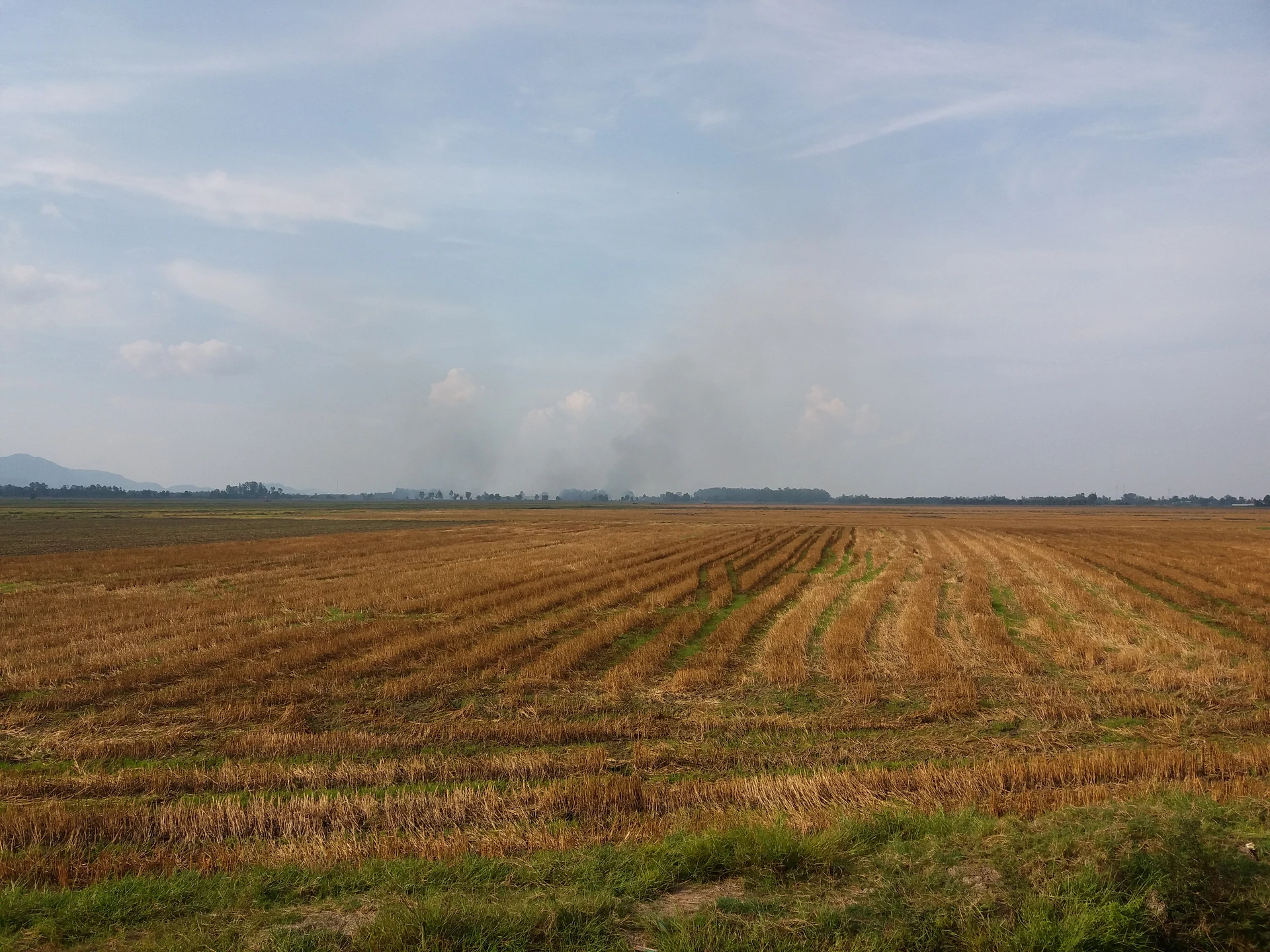

Floodwater around Châu Đốc and Tân Châu in An Giang is receding, helping farmers prepare land, machinery and seed for the winter–spring crop. The provincial hydrometeorological station said on October 20 that inland water in the Long Xuyên Quadrangle was also falling, though more slowly.
Observations differ from future forecasts
At Tân Châu on October 19, the daily maximum was 216 centimetres and the minimum 174 centimetres, down ten and 13 centimetres respectively from the previous day. Châu Đốc recorded a maximum of 215 centimetres and minimum of 166 centimetres, both ten centimetres lower than October 18.
The ten-day outlook suggested an average decline of about four centimetres per day at upper-delta stations, although some could remain above warning level two. East Sea tides could also produce a slow short-term rise upstream. A declining overall trend therefore does not remove local fluctuations or remaining risks.
Sowing windows vary by ecological zone
An Giang's agriculture department sets the main 2026–2027 winter–spring sowing period from November 1 to December 31, divided into two monthly stages. This covers major areas between the Tiền and Hậu rivers, the Long Xuyên Quadrangle and west of the Hậu.
U Minh Thượng has an earlier October 5–November 15 window to avoid peak year-end salinity and preserve freshwater availability during initial growth. Farmers are advised to monitor hydrological updates and regulate water according to local conditions. Preparations do not mean the entire crop has been planted or flood risks have ended.