
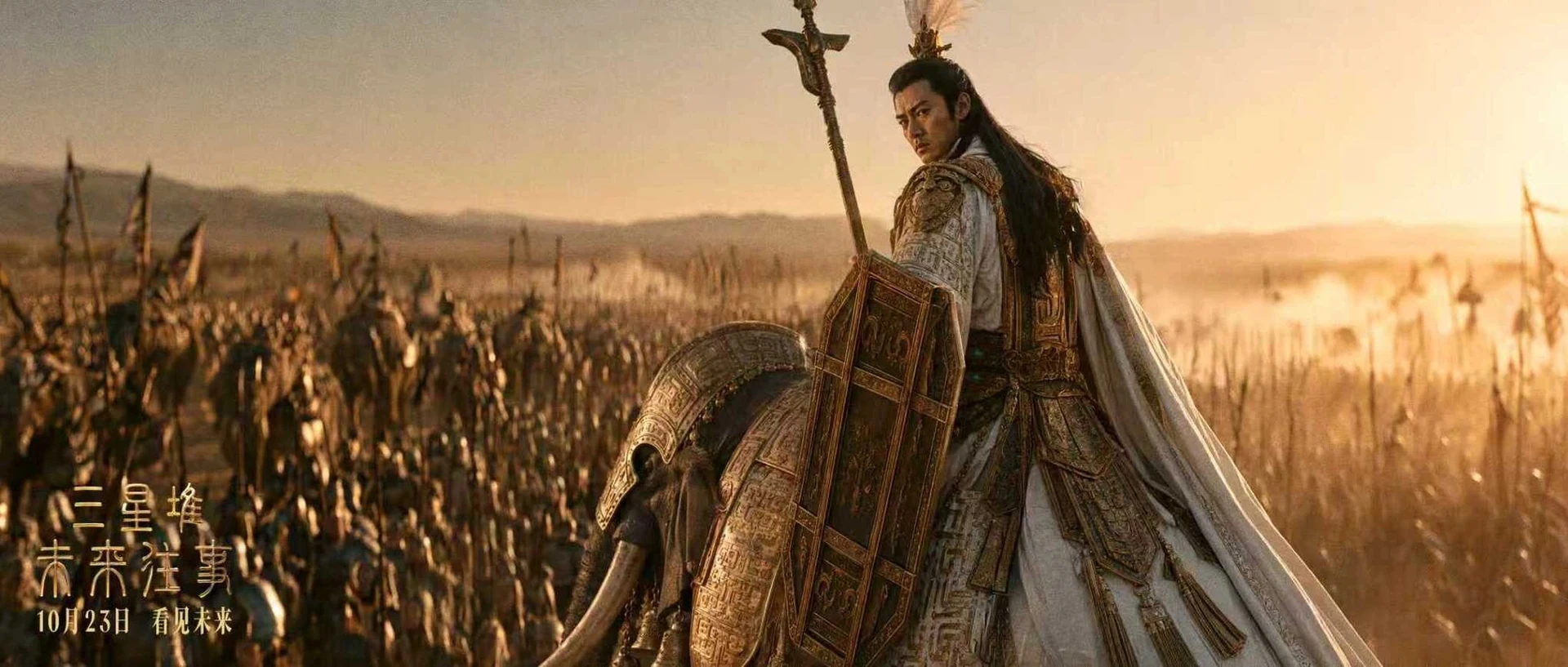
The first AI-generated feature film licensed for theatrical release in China is playing to nearly empty cinemas. Produced by studio Bona and known in Vietnamese coverage as Tam Tinh Đôi: Vị lai vãng sự, the film opened on 23 October and took just 1.17 million yuan over its first three-day weekend, with the lowest seat occupancy among the many titles on release, Tuoi Tre reported. VnExpress, citing Cailian Press, said takings later reached 1.26 million yuan (4.8 billion dong), an average of roughly one viewer per screening room.
The numbers behind the flop
The producer put the budget at more than 10 million yuan and said shooting the same story with real actors could have cost 800-900 million yuan. Once computing power, data storage and staff are counted, total investment ran to tens of millions of yuan, Tuoi Tre said, and the cinemas' revenue share is not enough to recoup it, leaving the film in the red.
| Metric | Figure | Source |
|---|---|---|
| Opening three-day weekend | 1.17 million yuan | Tuoi Tre |
| Updated gross | 1.26 million yuan (4.8 billion dong) | VnExpress, citing Cailian Press |
| Forecast final gross | About 2.6 million yuan | Dengta Professional, via Tuoi Tre |
| Forecast share for investors | About 900,000 yuan | Dengta Professional, via Tuoi Tre |
| Production budget | More than 10 million yuan | Producer, via Tuoi Tre |
| Estimated cost with real actors | 800-900 million yuan | Producer, via Tuoi Tre |
Bona began planning the project in 2023, when it set up an AI content centre, according to VnExpress. The centre's head said there was no mature software or model to rely on, so the team had to research the technology while making the film over more than two years; in her account, the visuals went from unwatchable to lifelike. Tuoi Tre said a crew of nearly 100 generated more than 1.2 million background images and went through hundreds of revisions.
Why audiences stayed away
The film runs 100 minutes and is set around the Sanxingdui archaeological site of the ancient Shu civilisation in Sichuan. Modern archaeologists discover that symbols on bronze relics form a binary code that does not belong to their era; in a future overrun by a super-AI, the key to the crisis lies in seven of those characters. Tuoi Tre said the plot was judged clichéd, and that a film using AI to warn against AI felt unmistakably machine-made.
On the review platform Douban, three-star ratings are common. Viewers quoted by VnExpress praised the sweeping scenery but found the storytelling and characters lifeless. Others, cited by Tuoi Tre, said AI footage only looks real in close-ups, and that its flaws become obvious once it is blown up on a cinema screen. A viewer at a free preview told Zaobao, according to Tuoi Tre, that they would pay for an AI film offering an Avatar-like experience, but not at the current quality.
A professor at Shanghai University's film school blamed AI visuals that fail to excite mainstream audiences, the absence of star actors and thin marketing. An independent AI director made the point more bluntly: audiences will not buy tickets simply because a film was made with AI. Bona's chief executive admitted the market response was cold but called the release a breakthrough experiment.
Musk's AI series panned too
The backlash is not limited to China. VnExpress reported that Odyssey, a series made by Elon Musk's company through Grok Imagine with Wonder Studios and director Dev Walker, drew negative reactions after its first episode was posted on X. The Independent, as cited by VnExpress, said the visuals and sound fell far short of expectations, with facial movements out of sync with the dialogue. The clip passed seven million views and about 3,000 comments. By contrast, Christopher Nolan's live-action The Odyssey has grossed nearly $1.8 billion, VnExpress said, citing Box Office Mojo.
What comes next
Dengta Professional expects the Sanxingdui film to finish with only about 2.6 million yuan, leaving investors roughly 900,000 yuan. Experts quoted by VnExpress argue that its value lies less in ticket sales than in establishing a new way of making films, at a time when traditional productions in China are slow, expensive and risky. A culture commentator writing on News Chengdu called the licence a clear sign of encouragement from regulators, and a Beijing Film Academy researcher wrote on Chinatimes that the wave of AI film production will not recede despite the flop.
AI content is still growing fast in China: AI-assisted short dramas on Douyin drew more than 200 billion views in September alone, and ByteDance and iQIYI are stepping up investment, Tuoi Tre said. The open question for the next AI releases is whether they can persuade audiences to pay for a cinema seat.