
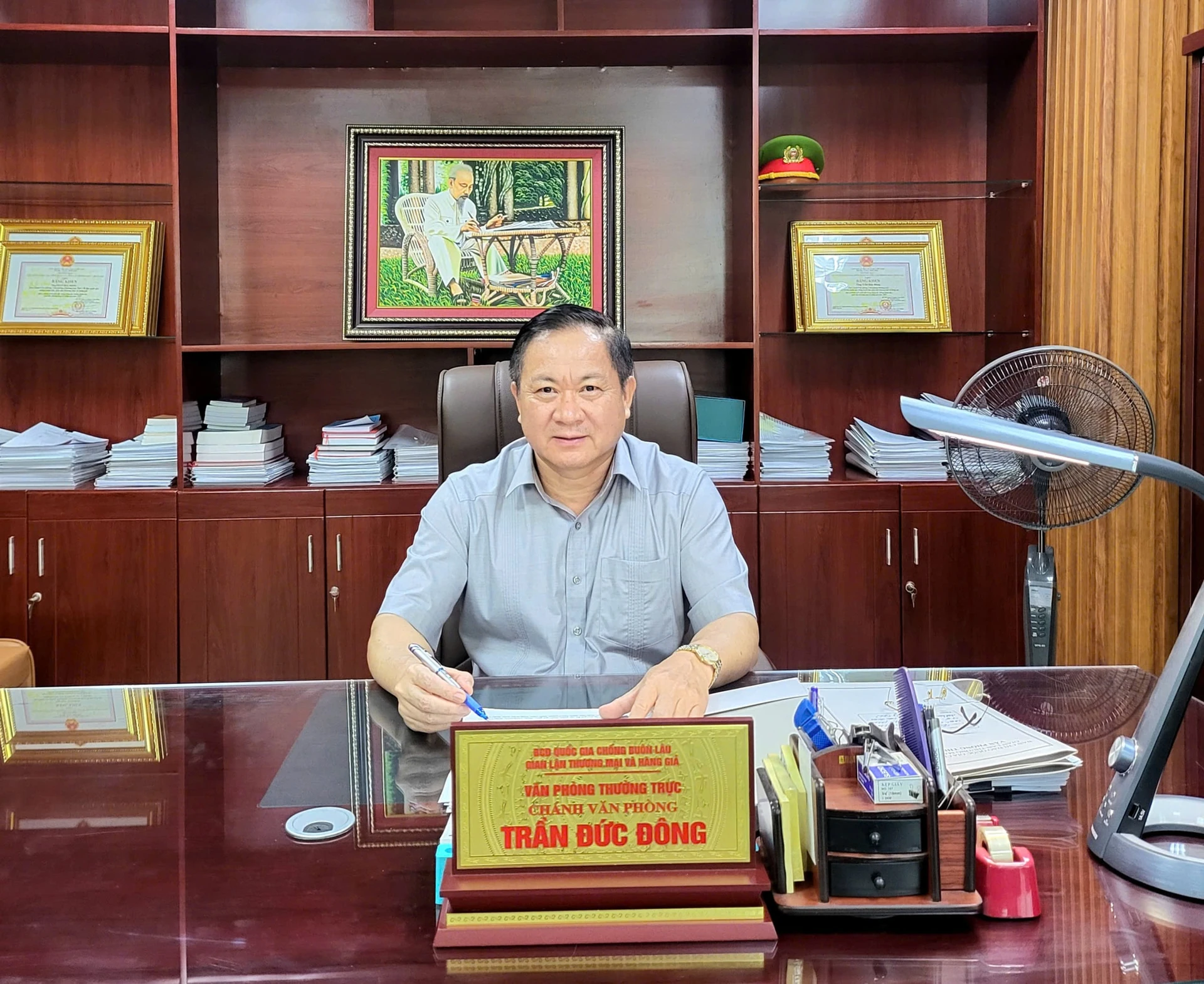
Vietnam’s response to counterfeit medicines needs to cover dispersed production, conventional distribution and online sales, according to Tran Duc Dong, head of the standing office of the national Steering Committee 389. Speaking to Bao Chinh Phu, he called for stronger coordination and attention to routes and locations facing elevated risks.
What the case figures cover
Dong cited almost 4,000 violations handled over the past year across pharmaceuticals, cosmetics, functional foods, medicinal materials and traditional medicinal ingredients. The total included 1,603 pharmaceutical cases, 81 involving medicinal materials and 18 involving traditional ingredients. It therefore covers several product categories and types of violation rather than almost 4,000 counterfeit medicine cases.
He described risks in imported personal consignments, smuggling, domestic wholesalers and pharmacies, as well as online and cross border transactions. The interview separately discussed counterfeit, substandard and untraceable medicines.
Enforcement across the chain
Methods identified included splitting production and packaging across locations, selling through social networks and marketplaces, and using delivery services for distribution. Misleading advertising could involve public figures or AI generated material, Dong said.
Cooperation among health authorities, police, market surveillance and customs has helped expose large networks. However, overlapping responsibilities, gaps in rules, lengthy testing and high examination costs still complicate enforcement in some areas.
The office’s next priorities include reviewing regulations, applying technology to monitoring and targeting major production and distribution networks. Greater attention to online sales is intended to connect suspicious products at the retail end with the organisations supplying them.