
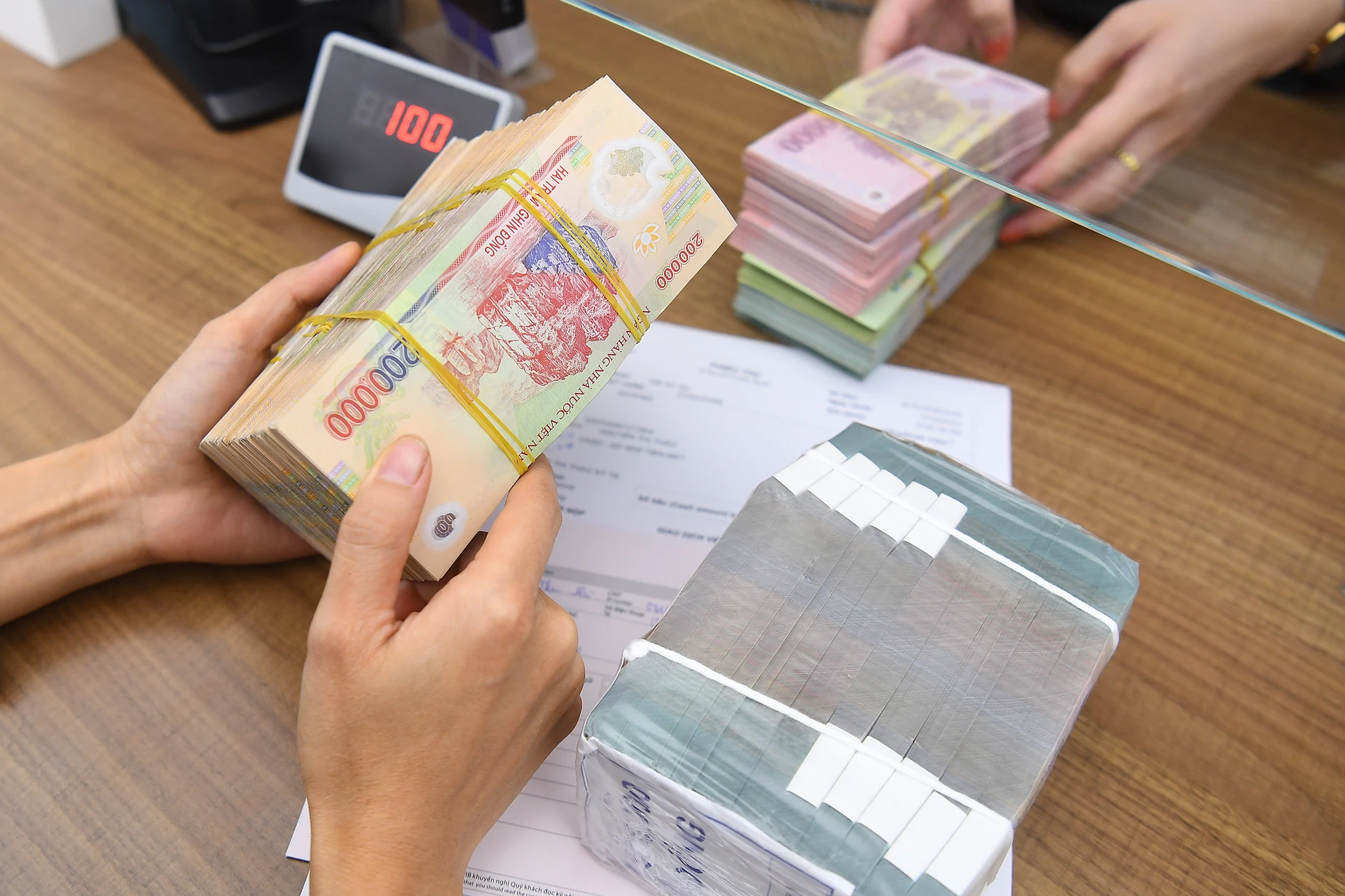
Vietnam's Ministry of Finance has proposed writing off business licence fee debts incurred up to the end of 2025, along with the related late-payment charges, to help businesses complete dissolution procedures, VnExpress reported. The proposal is part of the dossier for a draft National Assembly resolution on special policies for handling tax debts, and it also covers household and individual businesses with outstanding licence fee obligations.
Under the draft, tax authorities would clear these debts automatically through their management database, with no application needed from taxpayers. The work is expected to be completed within 6 months of the resolution taking effect. Where a taxpayer is subject to enforcement over a debt that is written off, enforcement would end for the amount cleared.
Why a small fee became a burden
Vietnam stopped collecting the business licence fee from 1 January 2026 under National Assembly Resolution 198/2025. Debts incurred up to the end of 2025, however, are still being tracked and pursued by the tax authorities.
Before that, businesses paid 1 million, 2 million or 3 million dong a year depending on their charter capital or registered investment capital. Assuming an average of 2 million dong a year, a business that stopped operating but did not finish closing its tax code for 5 years could build up 10 million dong in fees; over 10 years the figure reaches 20 million dong, excluding late-payment charges.
The ministry said the annual amounts are small, but obligations piling up over the years can become a burden for businesses that no longer operate. Some have had their registration certificates revoked but have not closed their tax codes; when they return to settle matters, they must deal with tax violations and also pay licence fees for past years. A lack of money or of any incentive to clear old debts keeps dragging out dissolution.
| Item | Figure |
|---|---|
| Taxpayers owing licence fees (end of 2025) | about 764,000 |
| Total licence fee debt | 1,450 billion dong |
| Total debt of businesses awaiting dissolution | about 27,805 billion dong |
| of which principal | about 18,090 billion dong |
| of which late-payment charges | 9,715 billion dong |
The licence fee debts are concentrated among small businesses and household and individual businesses that have stopped operating or are no longer at their registered address. In many cases, the cost of tracking and enforcing them exceeds what could be recovered.
Conditional write-off of late-payment charges
The ministry has also proposed conditionally writing off late-payment charges for taxpayers that have stopped operating but not closed their tax codes (status 03) or are not operating at their registered address (status 06). To qualify, their application to reactivate or close the tax code must be received by 30 June 2028 at the latest, and they must pay all principal tax debt within that period. Where no principal is owed, the tax authority checks and confirms this against its database.
This group would not be cleared automatically: tax authorities would review each case against documents and system data. The ministry noted that many of these taxpayers have been inactive for a long time, have no assets or income left, or cannot reach their legal representatives. Demanding full payment of principal and late charges could exceed their means and lead them to keep abandoning their tax codes. The conditional mechanism is meant to encourage them to pay principal in full and either resume operating or exit the market.
Who is affected and what comes next
If adopted, the licence fee write-off would directly affect the roughly 764,000 taxpayers who owed the fee, most of them small businesses and household or individual businesses that have stopped operating. The ministry says the aim is to clear the way for them to complete dissolution.
The policies in the draft would apply until 30 June 2028. If debts are written off for the wrong taxpayer, under the wrong conditions or in the wrong amount, tax authorities would recover and reinstate them. The ministry describes the plan as a special, one-off solution to long-standing debts. It is still a proposal in a draft resolution dossier, and VnExpress did not say when the National Assembly would consider it.