
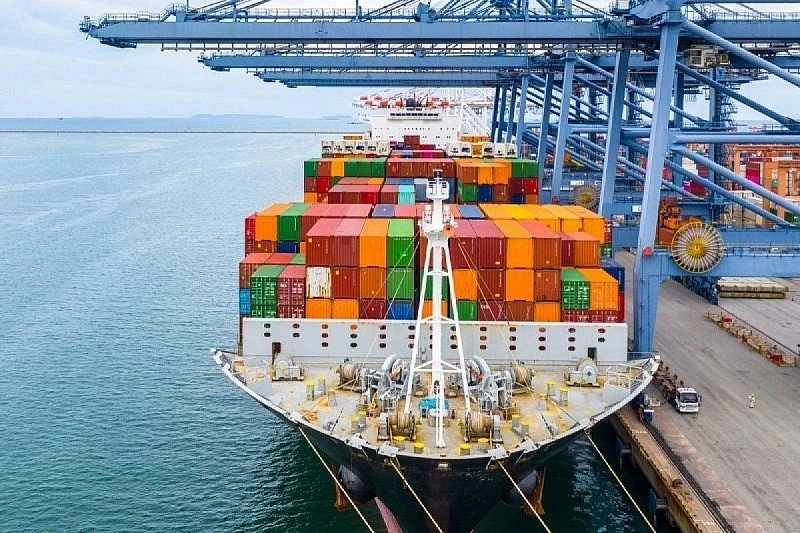
Vietnam has adopted a 2026–2030 plan to manage trade surpluses and prevent risks in international commerce, with particular attention to products, markets and companies where surpluses or export concentration are large. Standing Deputy Prime Minister Phạm Gia Túc signed Government Resolution 403/NQ-CP on 21 November.
The Government Portal says the plan seeks more sustainable bilateral trade while improving export quality and the capacity to import inputs for production. It sets out work for government bodies; it does not announce a new surplus figure or report completed results.
Origin checks and early warnings
One of seven groups of measures concerns rules of origin, certificates of origin and post-clearance checks. Authorities are asked to strengthen verification for high-risk products, firms and supply chains, exchange information with importing countries and build an early-warning mechanism.
The risks identified include origin fraud, evasion of trade measures and illegal transshipment. The plan also addresses controls on goods made with forced labour and reviews of inputs linked to parties or locations flagged or restricted by trading partners. These are risk-management instructions, not a finding that a named business has committed a violation.
Another group calls for sharing customs, tax, investment, import-export and company data. The Ministry of Industry and Trade is tasked with monitoring the size, structure and concentration of surpluses by product, market and business sector as a basis for warnings and policy proposals.
Supply chains and implementation
The plan calls for more diverse markets and sources of supply, stronger local content and links between domestic and foreign-invested firms. It also encourages imports of machinery, materials and technology needed for production.
Authorities are to review industry plans, output targets and capacity against market demand, as well as support and credit policies that could create excess capacity or subsidy risks. Ministries and local governments have assigned coordination, inspection and reporting responsibilities. Specific changes remain subject to subsequent implementation.
KBVN+ previously covered the request to revise the balanced-trade draft. Separately, its report on preparing for VEFTA rules of origin shows why exporters also need to follow the rules of each agreement.